Trade news
USTR Proposes Further Suspension of Section 301 Action on China's Maritime and Shipbuilding Sectors
USTR has proposed keeping Section 301 port fees on Chinese ships, and 100% duties on Chinese port cranes and chassis, suspended through January 9, 2027. Comments on the two-month extension are due by 5:00 p.m. ET on October 30, 2026.
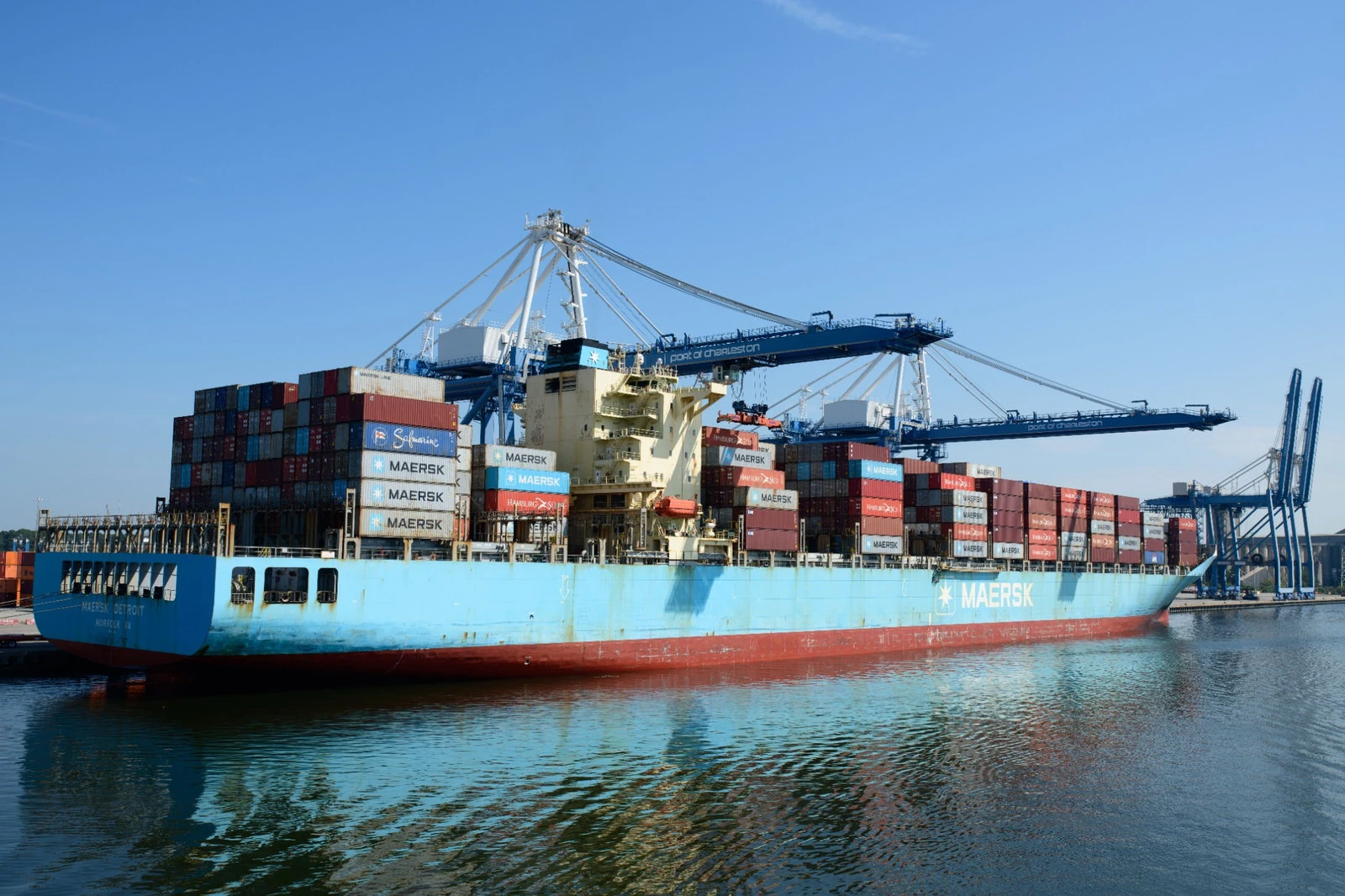
Section 301 port fees: the key numbers
The current one-year suspension ends at 11:59 p.m. ET on November 9, 2026. USTR's October 26 notice proposes two more months and keeps the same scope.
January 9, 2027: proposed end of the suspension
The extension would run from 12:00 a.m. ET on November 10, 2026, through 11:59 p.m. ET on January 9, 2027. USTR says the time allows further negotiation with China.
October 30, 2026: comment deadline
Written comments are due by 5:00 p.m. ET under docket USTR-2026-0694 at comments.ustr.gov. The comment period opened on October 23, 2026.
$50 per net ton: fee on Chinese operators and owners
This Annex I fee took effect on October 14, 2025, charged up to five times a year per vessel. The schedule set $80 from April 17, 2026, $110 in 2027, and $140 in 2028.
$18 per net ton or $120 per container: Chinese-built ships
Under Annex II, other operators of Chinese-built ships pay whichever amount is higher. The schedule stepped up to $23 per net ton or $153 per container from April 17, 2026.
100%: duties on Chinese port cranes and chassis
Annex V.A added 100% duties on ship-to-shore cranes and intermodal chassis from November 9, 2025. They have been suspended since November 10, 2025.
Net ton: a measure of a vessel's interior volume, not its weight.
What the suspension covers: ship fees and HTS 9903.91 duties
During the suspension, no one accrues or pays the fees in Annexes I, II, and III, or the Annex V.A duties. That is the same scope as the 2025 suspension.
The fees fall on vessel operators when a ship enters a US port. The duties fall on whoever imports the covered equipment.
Chinese operators and owners (Annex I): A per net ton fee on vessels operated or owned by entities of China, Hong Kong or Macau, including firms with at least 25% or more owned from there.
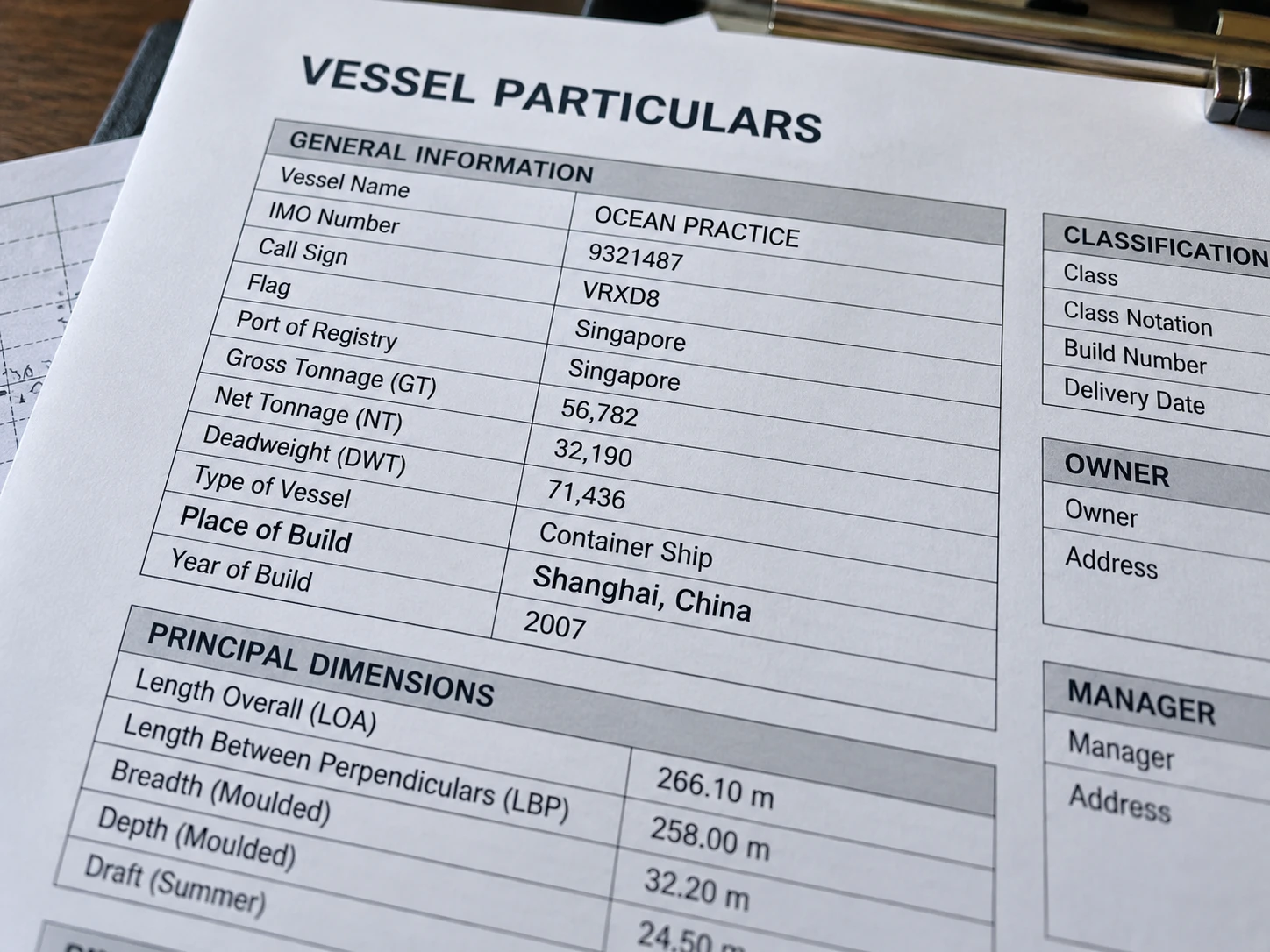
Chinese-built ships (Annex II): Fees on other operators of ships built in China. Ships of up to 4,000 TEU or 55,000 deadweight tons, and bulk carriers up to 80,000, are exempt.
Foreign-built vehicle carriers (Annex III): $46 per net ton from October 14, 2025, up to five times a year per vessel.
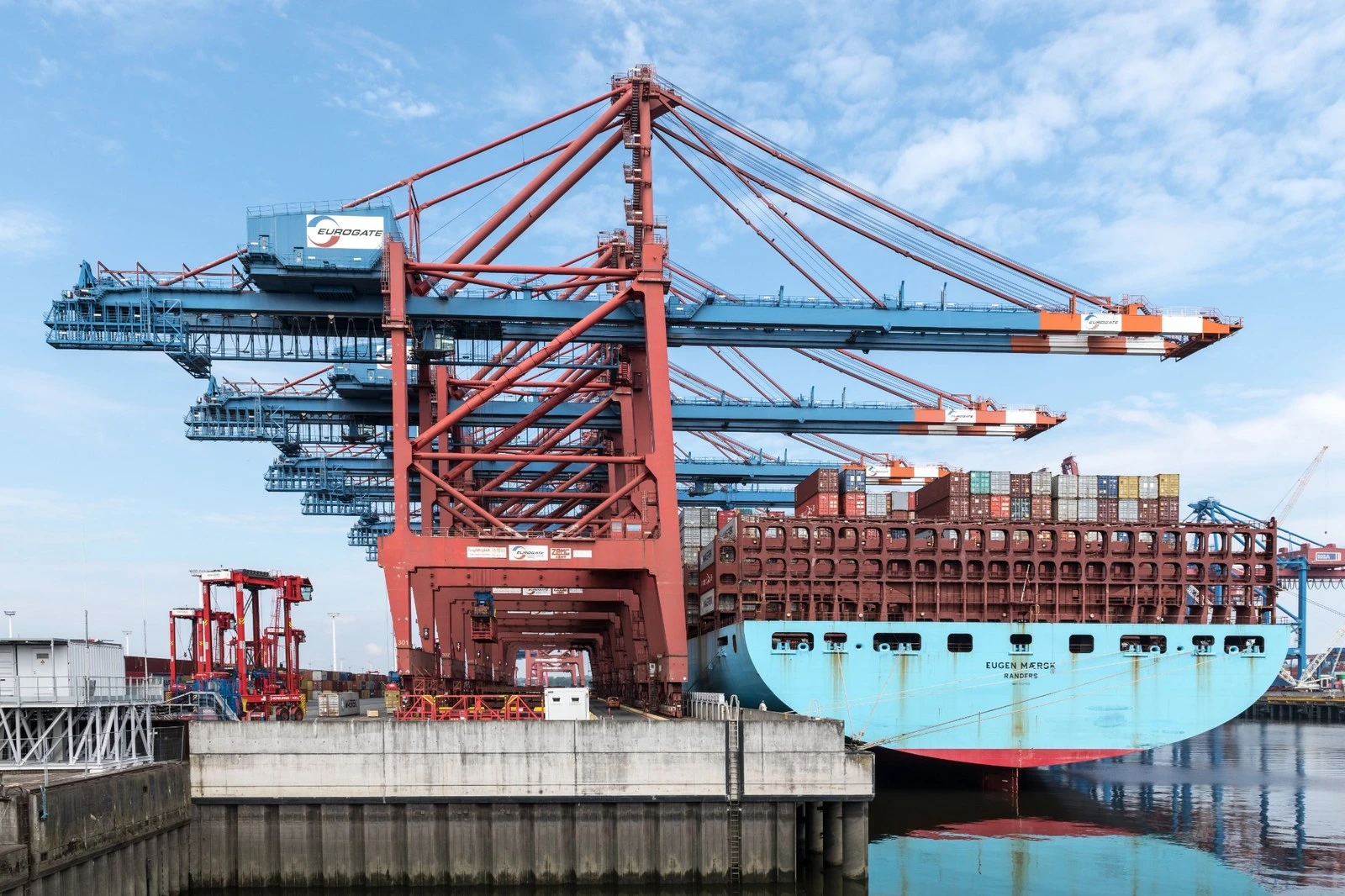
Ship-to-shore cranes (HTS 8426.19.00, heading 9903.91.14): 100% if made in China, built with Chinese parts such as the boom or spreader, or made by a Chinese-controlled company.
Intermodal chassis and parts (8716.39.0090, 8716.90.30 and 8716.90.50, heading 9903.91.12): 100% on chassis of China. Dry van, refrigerated van and flatbed trailers are excluded.
Not covered: in October 2025, USTR also proposed duties of up to 150% on other port equipment, such as gantry cranes and terminal tractors. We found no Federal Register notice making that final. The annex text in the Federal Register decides coverage; HTS numbers are listed for convenience.
Why the Section 301 action on China is on hold
The investigation began in April 2024 on a petition from five labor unions. USTR announced the fees on April 17, 2025, and the first charges started on October 14, 2025.
On November 1, 2025, the White House announced a trade deal between President Trump and President Xi. Under it, USTR suspended the action for one year from November 10, 2025.
USTR now says it is still engaging with China to end the practices under investigation. It wants two more months to do that.
Most of the roughly 70 comments on the 2025 suspension supported it, citing lower shipping costs. Opponents said the action was needed to spur US shipbuilding.
What comes next for Section 301 tariffs and fees
USTR will consider the comments filed by October 30 before deciding. If it adopts the proposal, no fees or Annex V.A duties accrue through January 9, 2027.
If the suspension lapses instead, the fees and duties could apply again from November 10, 2026. The notice doesn't say which step of the fee schedule would apply on restart.
In 2025, USTR made the suspension work by changing the dates in HTS headings 9903.91.12 to 9903.91.16. Watch the final notice for a similar change.
Key dates
April 17, 2025: action taken. USTR set fees on Chinese operators, Chinese-built ships and foreign-built vehicle carriers.
October 14, 2025: fees begin. The first charges applied at $50, $18 or $120, and $46 per net ton for vehicle carriers.
November 9, 2025: 100% duties start. The duties covered ship-to-shore cranes and intermodal chassis from China.
November 10, 2025: one-year suspension begins. Fees and duties were paused through November 9, 2026.
October 30, 2026: comments due. The deadline is 5:00 p.m. ET, under docket USTR-2026-0694.
January 9, 2027: proposed end of the suspension. This applies only if USTR adopts the proposal.
How to check your exposure to port fees
Ask your carriers about surcharges. Find out whether any 2025 port fee surcharge is still billed, and what they plan if the suspension lapses.
Check where your ships were built. Annex II turns on the place of build recorded on CBP Form 1300. Your carrier or forwarder can confirm it for your regular services.
Review crane and chassis orders. If you import ship-to-shore cranes or intermodal chassis, check origin, key components and ownership against headings 9903.91.12 and 9903.91.14.
Use the crane contract exception. Cranes under contracts signed before April 17, 2025, and entered before April 18, 2027, can claim heading 9903.91.16 instead of the 100% duty.
Comment by October 30. File under docket USTR-2026-0694 at comments.ustr.gov if the extension affects you.
Plan for January 9, 2027. Budget freight for both outcomes: a further extension, or fees and duties back in force.
Frequently asked questions
What is Section 301?
Section 301 of the Trade Act of 1974 lets the US Trade Representative act to end a foreign country's unfair acts, policies and practices. Here, the action is fees on ships and duties on Chinese port equipment.
Are USTR port fees on Chinese ships being charged now?
No. They have been suspended since November 10, 2025, and USTR has proposed extending that to January 9, 2027.
Do importers pay the port fees?
The fees are charged to vessel operators when ships enter US ports, not to cargo importers. Importers pay the 100% duties directly only if they bring in the covered cranes or chassis.
Does this change other Section 301 tariffs on China?
No. The notice covers only this maritime investigation's fees and Annex V.A duties. Section 301 tariffs from other investigations are not part of it.