Trade news
Hardwood and Decorative Plywood from China, Indonesia and Vietnam: Antidumping and Countervailing Duty Orders
Commerce issued antidumping and countervailing duty orders on hardwood and decorative plywood from China, Indonesia and Vietnam on November 17, 2026, turning the case's plywood tariffs into standing orders. Combined deposits reach about 275% for Chinese plywood and about 133% for most Vietnamese exporters.
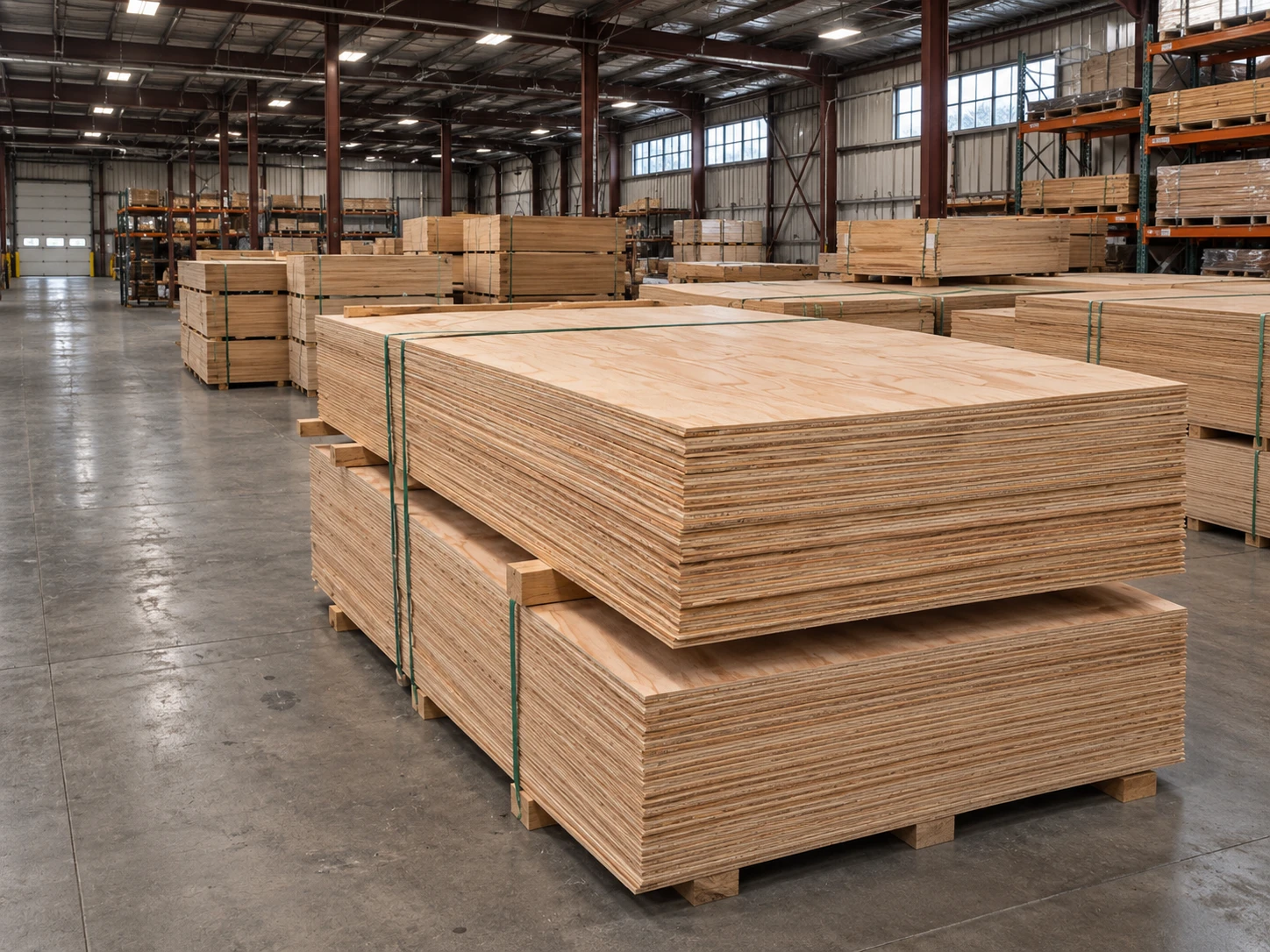
Plywood tariffs: the key numbers
These are the cash deposit rates under the new orders. Each country pays an antidumping deposit and a countervailing duty deposit, and the two add together.
China: 185.96% plus 88.96%
Every Chinese exporter pays a 185.96% antidumping deposit and an 88.96% countervailing duty deposit. Both rates are based on adverse facts available.
Vietnam: 84.95% plus 47.68% for most exporters
Nearly all Vietnamese exporters pay 84.95% in antidumping deposits. Most pay 47.68% in countervailing duties, but Junma Phu Tho pays 165.39%.
Indonesia: rates vary by exporter
PT Wijaya Cahaya Timber pays 15.39% plus 58.39%, and PT Sengon Indah Mas 23.78% plus 4.22%. All other Indonesian exporters pay 18.06% plus 40.87%.
84.94% plus 128.66%: PT Mustika Buana Sejahtera
This Indonesian exporter received adverse facts available rates in both cases, the highest Indonesian deposit.
Adverse facts available: when a company doesn't fully cooperate, Commerce can pick a rate from the record that is unfavorable to that company.
What hardwood plywood is covered, by HTS number
The orders cover flat, multilayered panels whose face or back veneer is hardwood, softwood or bamboo. The core can be wood, particleboard or MDF.
Coated and finished panels: plywood is covered whether it is painted, stained, laminated, film faced or wire brushed.
Any size: all thicknesses and dimensions are covered, including the common 4 by 8 foot sheet.
Third-country processing: panels cut, drilled or trimmed in another country remain covered.
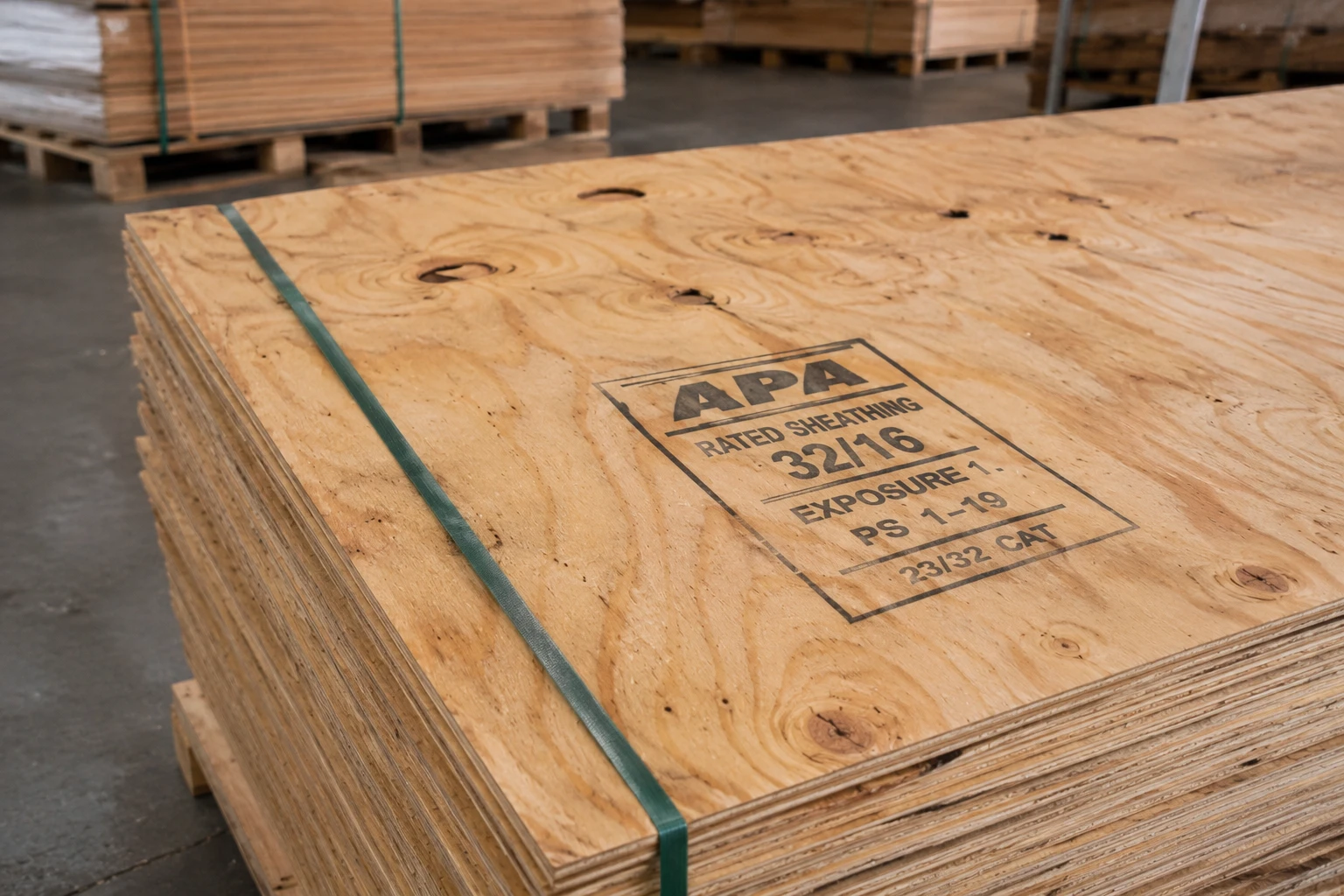
Structural plywood excluded: softwood plywood stamped to US standards PS 1 or PS 2, and its "downfall" panels, are out.
Finished goods excluded: assembled and ready to assemble furniture and kitchen cabinets, certain flat pack bathroom vanities, finished table tops and countertops are out.
Plywood under the 2018 orders on Chinese hardwood plywood stays under those orders. The new orders list HTSUS heading 4412 numbers such as 4412.10.0500 and 4412.31.0520, but the written scope decides coverage.
Why plywood from China and Vietnam matters now
The orders end the investigation stage. The duties stay in place until revoked, with the first sunset review due after five years.
China already has 2018 orders on certain hardwood plywood. Products under those orders are excluded here, so the new rates cover the Chinese plywood the old orders miss.
Importers of structural plywood get relief. The ITC found those imports negligible, so Commerce will refund antidumping deposits paid on them since March 2, 2026.
What comes next for plywood tariffs
Commerce plans a changed circumstances review on a certification program for the scope changes. That review will set how importers prove a panel is excluded.
There are also gaps with no duties. Countervailing duties don't apply to entries from May 21, 2026, until the ITC's final notice on September 9, 2026. For Indonesia and Vietnam, antidumping duties don't apply from August 29 to September 8, 2026.
Key dates
May 22, 2025: Petition filed. The Coalition for Fair Trade in Hardwood Plywood, including Columbia Forest Products, filed the case.
January 22, 2026: Preliminary subsidy rates. Countervailing duty deposits began.
March 2, 2026: Preliminary dumping rates. Antidumping duty deposits began.
September 9, 2026: ITC final vote published. The ITC found injury from hardwood and decorative plywood only.
November 17, 2026: Orders issued. The final deposit rates apply.
How to check if plywood tariffs apply to your imports
Check the face veneer. If either outer veneer is hardwood, softwood or bamboo and the panel is flat, it is likely covered.
Look for a structural stamp. Certified PS 1 or PS 2 structural plywood must carry the agency stamp to be excluded.
Confirm the origin. Panels from China, Indonesia or Vietnam are covered, even if trimmed or drilled elsewhere.
Match the exporter. Use your supplier's exact name to find its antidumping and countervailing duty rates.
Ask about refunds. If you paid deposits on structural plywood or during the gap periods, ask your broker about refunds.
Frequently asked questions
Are there tariffs on plywood from China?
Yes. Chinese hardwood and decorative plywood now faces a 185.96% antidumping deposit plus an 88.96% countervailing duty deposit. Plywood covered by the 2018 orders on China stays under those orders instead.
What are the plywood tariffs on Vietnam?
Most Vietnamese exporters pay 84.95% in antidumping deposits and 47.68% in countervailing duty deposits, about 133% combined.
Is plywood going up in price?
The orders add duties to imported hardwood plywood from these three countries. How much reaches store prices depends on sourcing and is not set by the orders.
What is an antidumping duty?
It is a duty on imports sold in the US below fair value. A countervailing duty offsets foreign government subsidies, and the two can apply together.
This article is informational and is not legal or customs advice.