Trade news
Pea Protein from China
Commerce published preliminary results of its first antidumping review of pea protein from China on November 16, 2026, proposing lower pea protein tariffs for five exporters. Yantai T.Full Biotech and three others would drop to 44.44% and Jianyuan International to 0.00%, but current deposit rates stay until the final results.
Pea protein tariffs: the key numbers
The review covers entries from November 15, 2023, to July 31, 2025. These rates are preliminary and can change in the final results.
44.44%: proposed rate for four exporters
Yantai T.Full Biotech was examined and received 44.44%. Bioway Industrial Group, Linyi Yuwang Vegetable Protein and Yosin Biotechnology (Yantai) would get the same rate.
0.00%: proposed rate for Jianyuan International
Jianyuan International, with Hengyuan Biotechnology and Shandong Jianyuan Bioengineering, received a zero margin.
111.65%: the deposit you pay today
Until the final results, most listed exporters keep the 111.65% dumping deposit set in the 2024 order. Most also pay a 15.84% countervailing duty deposit.
280.31%: the China-wide rate
Exporters without a separate rate face the China-wide dumping rate, with a 269.77% cash deposit. Commerce preliminarily put Nutracean, Yantai Shuangta and Zhaoyuan Junbang in this group.
Countervailing duty: a duty that offsets foreign government subsidies. It applies on top of the antidumping duty.
What pea protein from China is covered, by HTS number
The orders cover high protein content pea protein, meaning at least 65% protein on a dry weight basis. Concentrate, isolate, hydrolyzed and fermented pea protein all count.
All forms: powder and liquid pea protein are covered, with or without flavoring or other additives.
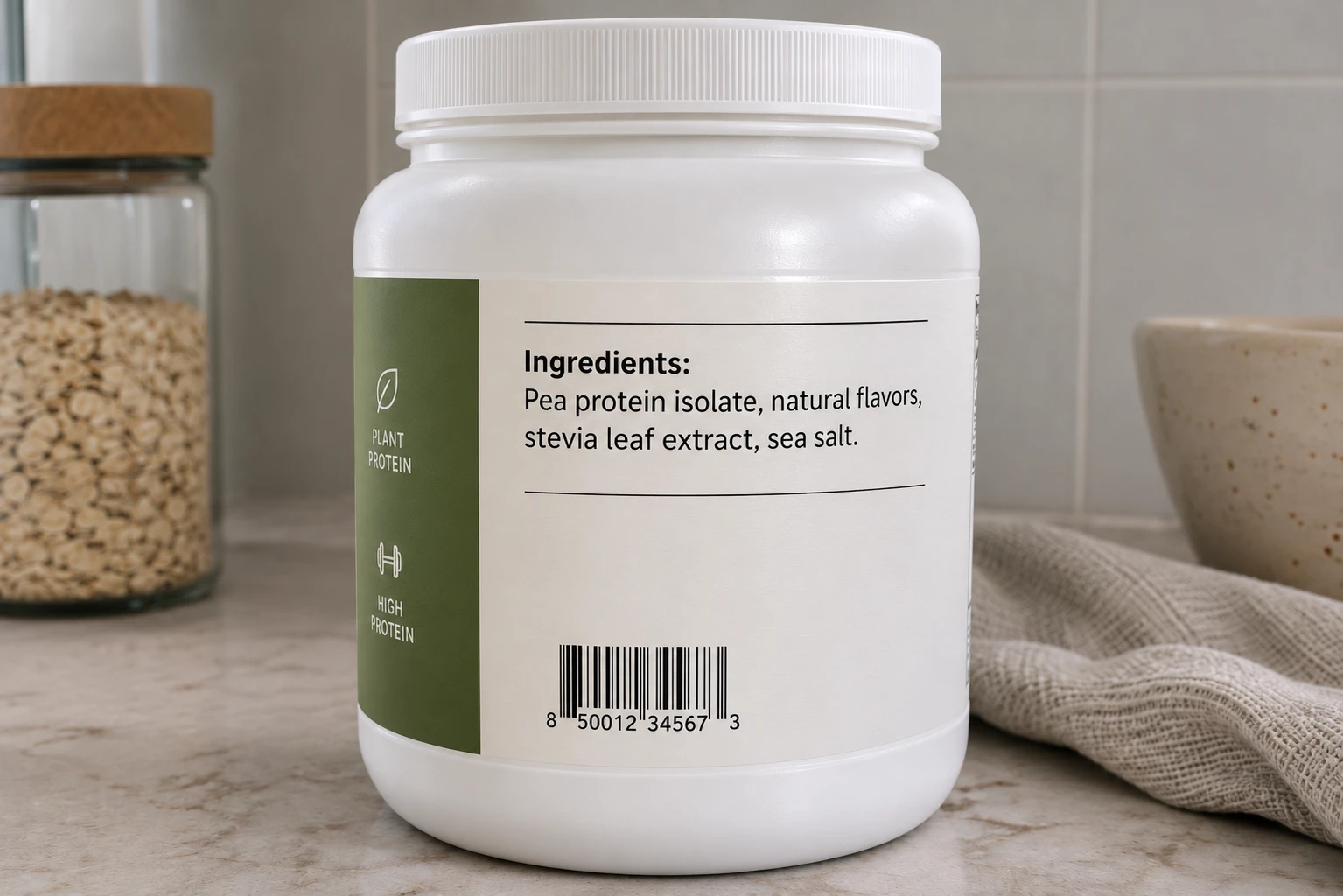
Protein powder blends: pea protein mixed into protein powders or drink mixes is covered, but only the pea protein part. Blending in a third country doesn't change that.
Small amounts: a blend is excluded if pea protein makes up less than 5% of it by dry weight.
Finished foods excluded: burgers, snack bars, baked goods, milk, cheese, baby food, sauces and pet food are out, even when made with pea protein.
Other exclusions: textured pea protein, pea protein crisps and protein made from chickpeas are not covered.
Pea protein enters under HTSUS 3504.00.1000, 3504.00.5000 and 2106.10.0000, and sometimes 2308.00.9890. The written scope decides coverage, not the HTS number.
Why the review matters for protein powder brands
The proposed rates are far below what importers deposit now. If they hold, entries from the review period would be assessed at 44.44% or 0.00% instead of 111.65%.
That could mean refunds of deposits already paid for those exporters. The exact amounts depend on importer-specific assessment rates in the final results.
The China-wide rate doesn't change. Any Chinese exporter without a separate rate still faces 280.31%.
What comes next for pea protein tariffs
Case briefs are due 21 days after November 16, and hearing requests within 30 days. Commerce then issues final results, normally about 120 days after the preliminary results, so around March 2027 (estimate).
Two more reviews started on October 1, 2026. They cover dumping from August 2025 to July 2026 and subsidies in 2025.
Key dates
August 2024: Orders issued. The ITC found injury, and Commerce issued the orders effective August 26, 2024.
April 9, 2026: First subsidy review rescinded. Entries from September 2023 to December 2024 will be assessed at the deposit rates.
October 1, 2026: New reviews started. They cover August 2025 to July 2026 (dumping) and 2025 (subsidies).
November 16, 2026: Preliminary dumping results. Commerce proposed 44.44% and 0.00% rates.
About March 2027 (estimate): Final results. New deposit rates would apply after they are published.
How to check if pea protein tariffs apply to your imports
Check the protein content. Confirm whether your product is at least 65% pea protein on a dry weight basis.
Review your blends. For protein powders and drink mixes, work out the pea protein share. Below 5%, the blend is excluded.
Identify your exporter. Match your supplier's exact name to the rate lists. A missing name means the China-wide rate.
Keep paying current deposits. The 44.44% and 0.00% rates are not in effect until the final results.
Track your refunds. If your exporter's rate drops in the final results, ask your broker to watch liquidation of your past entries.
Frequently asked questions
Are there tariffs on pea protein from China?
Yes. Pea protein from China has faced antidumping and countervailing duties since 2024. Most listed exporters carry a 111.65% dumping deposit plus a 15.84% subsidy deposit.
Do pea protein tariffs apply to protein powder?
Yes, for the pea protein in it. Only the pea protein component of a protein powder blend is covered, and blends under 5% pea protein are excluded.
What is the tariff code for pea protein?
Pea protein usually enters under HTSUS 3504.00.1000, 3504.00.5000 or 2106.10.0000. Some enters under 2308.00.9890.
When will the new rates take effect?
Only after Commerce publishes final results, expected around March 2027. Until then, the 2024 deposit rates apply.
This article is informational and is not legal or customs advice.