Trade news
OCTG from the UAE, Taiwan and Austria: new antidumping deposits
Commerce set preliminary OCTG tariffs on oil well casing and tubing from the UAE, Taiwan, and Austria on November 4, 2026. Cash deposits of 47.21% to 68.88% apply to entries made from that date.
OCTG tariffs: the key numbers
The three antidumping investigations were filed by the U.S. OCTG Manufacturers Association, United States Steel Corporation and the United Steelworkers union.
UAE: 61.45% to 68.88%
Ajmal Steel Tubes and Pipes Industries pays 68.88%. Universal Tube and Pipe Industries FZE and THL Pipe and Tube Industries, treated as one company, pay 61.45%. All others pay 68.23%.
Taiwan: 51.19% to 54.74%
Shin Yang Steel pays 51.19% and Tension Steel Industries pays 54.74%. All other Taiwanese exporters pay 52.43%.
Austria: 47.21%, plus a 10.17% subsidy deposit
voestalpine Tubulars and all other Austrian exporters pay a 47.21% antidumping deposit. A separate subsidy case has required a 10.17% deposit since September 3, 2026.
April 2025 to March 2026: the period Commerce examined
Commerce compared US prices with normal value over this 12-month period. The rates can change in the final determinations.
Cash deposit: an estimate of the antidumping duty that CBP collects at entry. The final duty is set later and can be higher or lower.
What OCTG pipe is covered: HTS 7304, 7305 and 7306
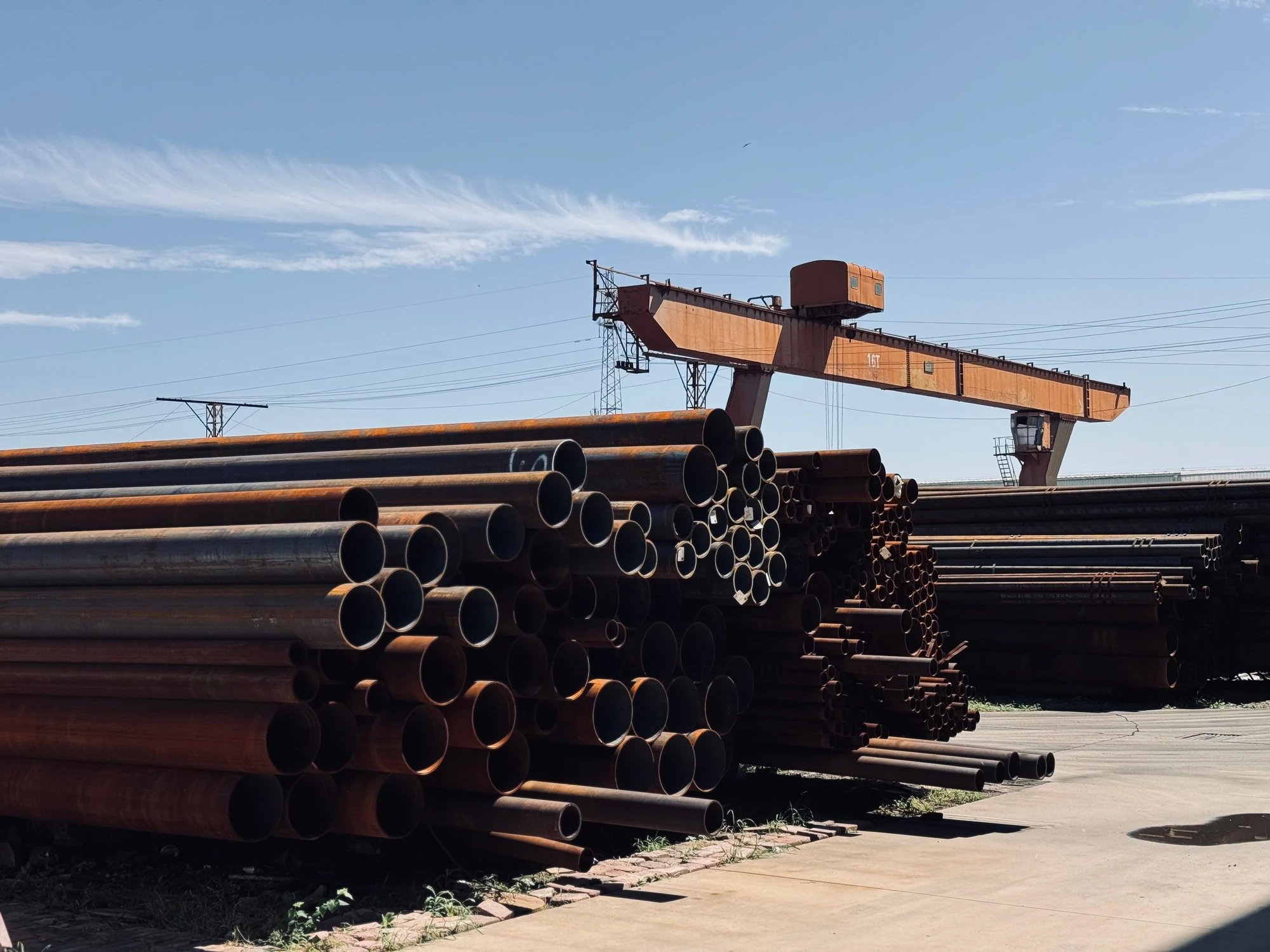
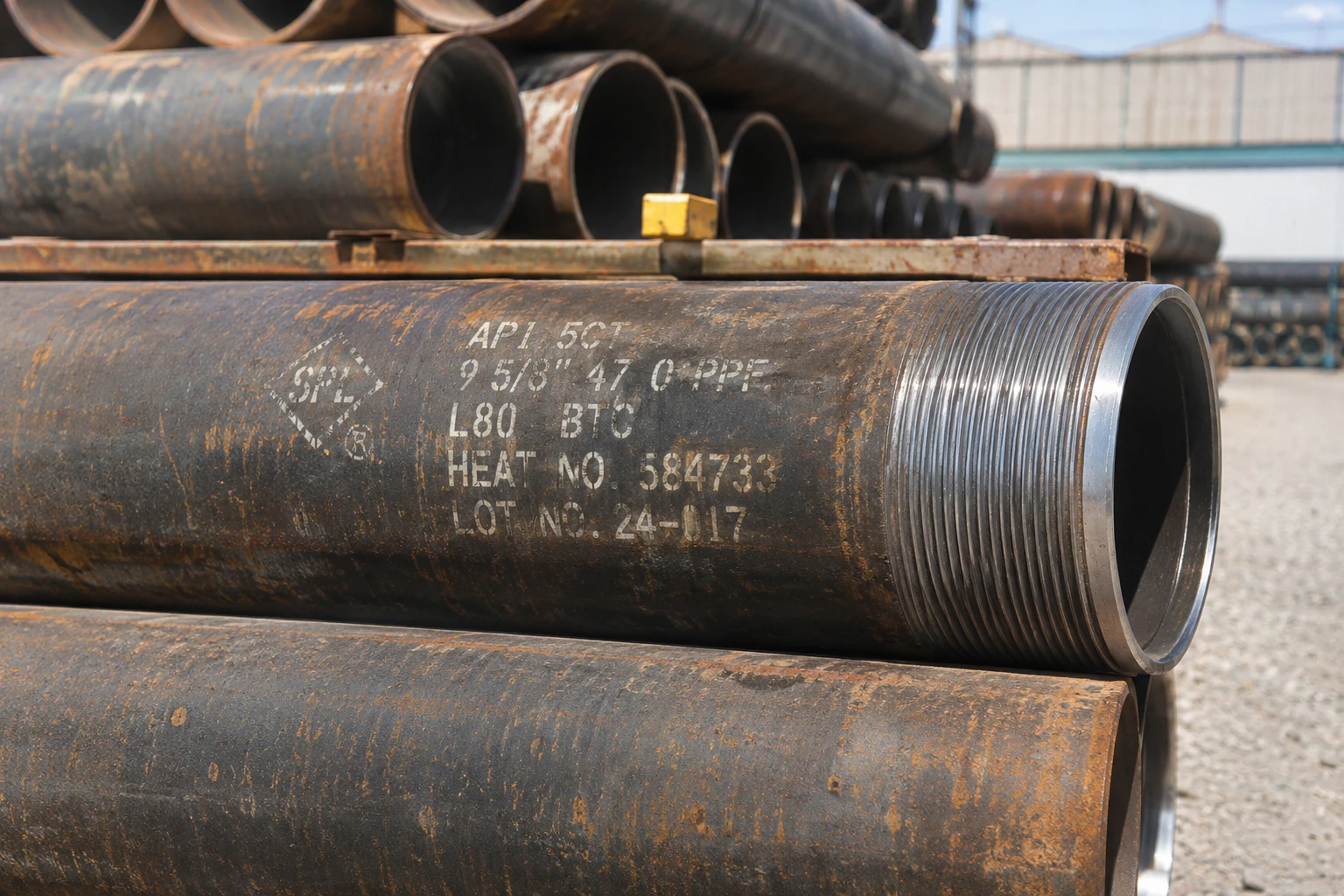
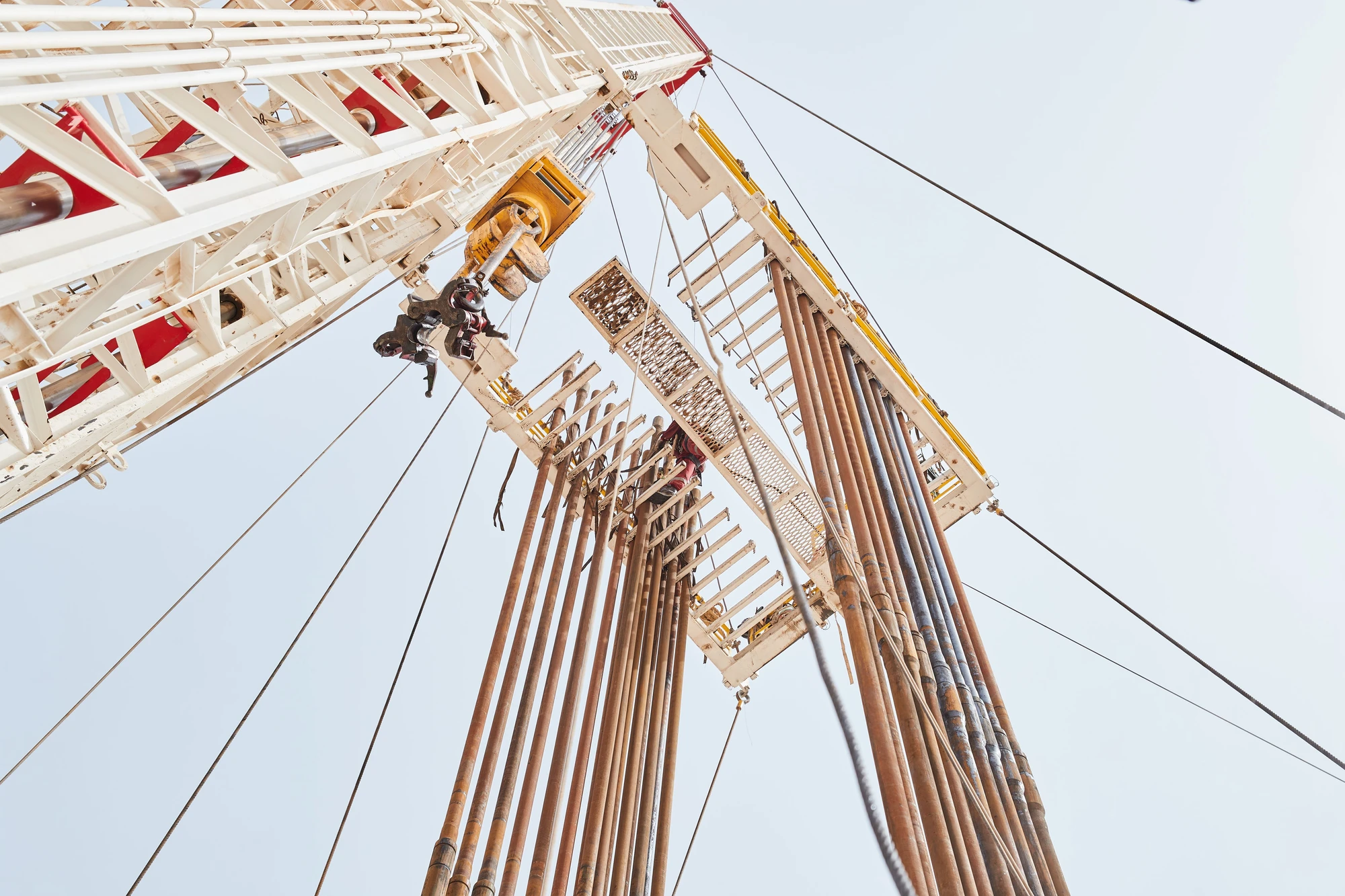
OCTG means oil country tubular goods: hollow steel pipe used to drill and line oil and gas wells. The cases cover casing and tubing, seamless or welded, of carbon or alloy steel.
Included: finished and unfinished pipe, including green tubes, API or non-API, plain end, threaded, or threaded and coupled. OCTG coupling stock is also covered.
Third-country processing: pipe finished, threaded or heat-treated in another country is still covered.
Excluded: casing, tubing or coupling stock with 10.5% or more chromium, drill pipe, unattached couplings and unattached thread protectors.
Mechanical pipe: Commerce preliminarily found pipe for oilfield tools, pipe for perforating guns and expandable mechanical pipe outside the scope.
HTS numbers: mainly subheadings 7304.29, 7305.20 and 7306.29, with others under 7304.39, 7304.59, 7305.31, 7306.30 and 7306.50.
The written scope decides coverage, not the HTS number. Check the full list in each notice.
Why the OCTG antidumping duty matters
Importers of casing and tubing from these countries now post deposits at entry, on top of any other duties. Liquidation of the entries is suspended until the cases end.
For Austrian pipe, the antidumping and subsidy deposits stack. Commerce made no export subsidy offset, so the antidumping deposit equals the full 47.21% margin.
These cases add to existing orders on OCTG from other countries. In October 2026, Commerce continued the orders on India, Korea, Türkiye, Vietnam and Ukraine after sunset reviews.
What comes next for OCTG tariffs
The UAE final determination is due about January 12, 2027 (an estimate, 75 days after the October 29 preliminary decision).
Taiwanese and Austrian exporters asked for more time. Their final determinations are due no later than 135 days after November 4, about March 19, 2027 (an estimate). The Austrian subsidy final is aligned with the Austrian antidumping final.
If Commerce's finals are affirmative, the ITC then decides whether the imports injure US producers. Orders are issued only if it finds injury.
Key dates
April 22, 2026: investigations start. Commerce initiates the antidumping cases on all three countries and a subsidy case on Austria.
September 3, 2026: Austria subsidy rate. Commerce sets a preliminary 10.17% subsidy deposit for Austrian OCTG.
November 4, 2026: deposits start. Preliminary antidumping deposits of 47.21% to 68.88% apply.
December 22, 2026: mechanical pipe ruling. Commerce's final scope ruling in a related case on Argentina and Mexico is due.
About January 12, 2027: UAE final. Commerce's final determination for the UAE (an estimate).
About March 19, 2027: Taiwan and Austria finals. Commerce's final determinations, including the Austria subsidy case (an estimate).
How to check if OCTG tariffs apply to you
Check the product. Confirm the pipe is casing, tubing or coupling stock and not drill pipe or high-chromium pipe.
Check the HTS number. Match your entry against the HTS list in the notice, then confirm against the written scope.
Trace where it was made. Pipe from these countries stays covered even if finished or threaded elsewhere.
Match the exporter and producer. Use the company rate if listed, or the all-others rate.
Budget for deposits now. Entries from November 4 carry the deposits, and Austrian pipe also carries the 10.17% subsidy deposit.
Frequently asked questions
What does OCTG mean?
OCTG stands for oil country tubular goods. It is the steel casing and tubing used to drill and line oil and gas wells.
What are the new OCTG tariffs?
Preliminary antidumping deposits are 61.45% to 68.88% for the UAE, 51.19% to 54.74% for Taiwan and 47.21% for Austria. Austria also has a 10.17% subsidy deposit.
Is well casing pipe covered?
Yes. Oil well casing and tubing are covered, whether seamless or welded. Drill pipe and pipe with 10.5% or more chromium are excluded.
Are these duties on top of steel tariffs?
Yes. Antidumping and subsidy deposits are separate from other duties on steel. Check your HTS number for every duty that applies.
This article is informational and is not legal or customs advice.