Trade news
New Trump Tariffs Hit 14 Economies: Proposed Section 301 Rates by Country
On November 25, 2026, USTR proposed new Trump tariffs under Section 301 on goods from 14 economies, including China, the EU, Japan, India and Vietnam. Proposed rates run from 15% to 35%, with up to 40% possible for China, and comments are due January 5, 2027.
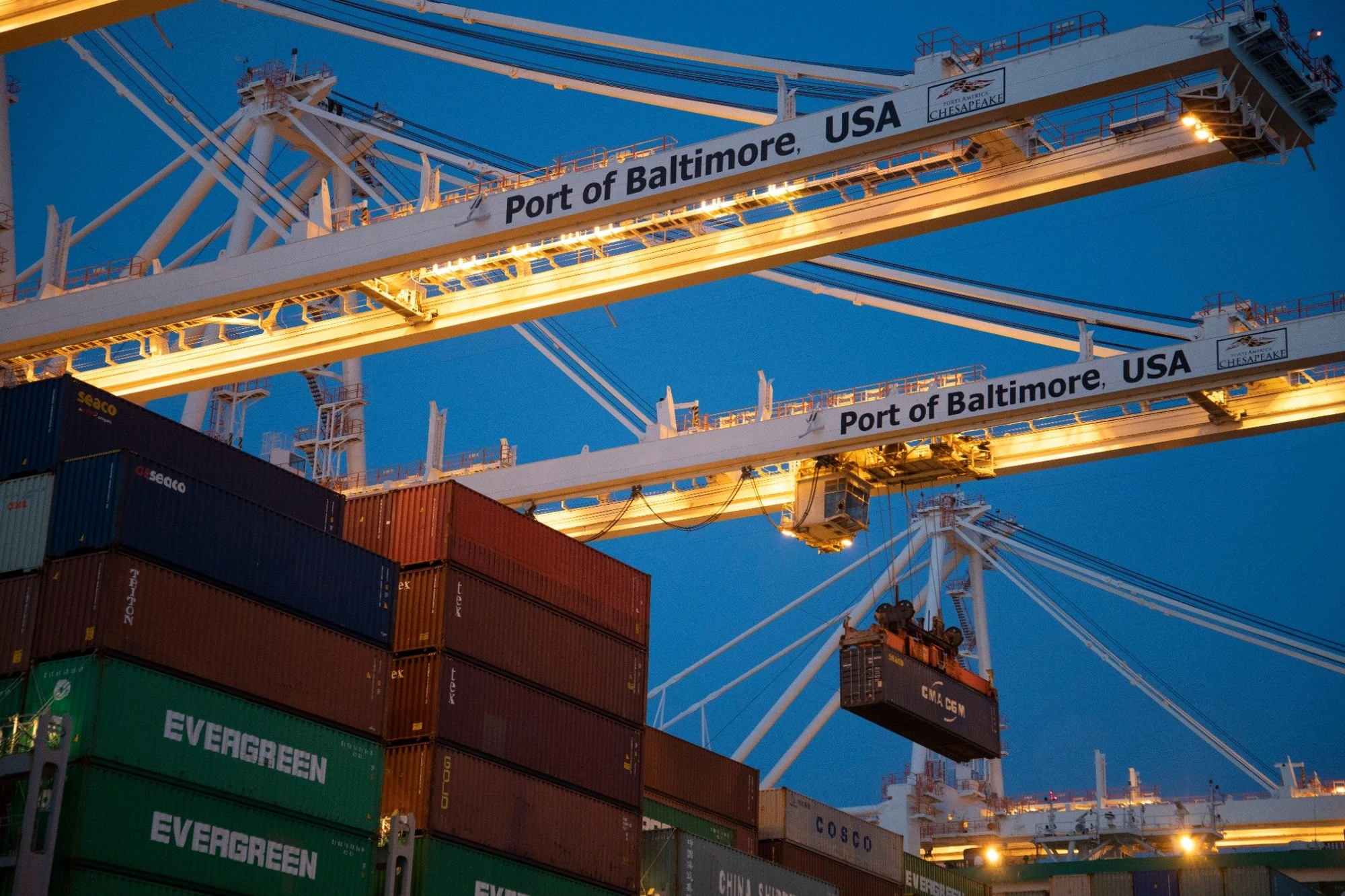
New Trump tariffs: proposed rates by country
USTR found that each economy's policies create "structural excess capacity" that is unreasonable and burdens U.S. commerce. These are the proposed additional tariffs, before any exemptions.
China: 20%, or 10% on Annex A goods
The 20% is reduced by any tariff already paid under the July 2026 Section 301 forced labor action. Goods in Annex B are exempt, and USTR could go up to 40% if talks with China fall short.
Vietnam: up to 35%
USTR says it would consider 20% if Vietnam reaches a reciprocal trade agreement that addresses the findings. That's the highest starting rate proposed for any of the 14.
India: up to 25%
The rate could drop to 17% if India reaches a qualifying reciprocal trade agreement. USTR may also adjust it for existing Section 232 and Section 301 duties.
Singapore: up to 20%
USTR would consider 10% if Singapore concludes an agreement responsive to the findings.
Bangladesh, Cambodia, Indonesia, Malaysia and Thailand: up to 18%
Each rate is reduced by existing Section 301 tariffs. USTR says the proposals account for each country's reciprocal trade agreement or framework.
EU, Japan, Korea, Switzerland and Taiwan: 15%
For these five, the 15% counts the normal duty rate and any existing Section 301 tariff toward it. For the EU, USTR could go up to 20% if it finds the EU's commitments unsatisfactory.
Net of means the new tariff is reduced by the duty named, so the two don't simply add up. Final rates may be lower than these maximums.
What the new Section 301 tariffs cover
The proposals apply to all goods of each economy, except what each notice exempts. Country of origin, not where a shipment leaves from, decides which rate applies.
The EU and Vietnam notices, for example, list the same four groups of exemptions.
Section 232 goods: steel, aluminum and copper articles and derivatives, passenger vehicles, light trucks, medium and heavy duty vehicles and their parts, wood products, patented pharmaceuticals and semiconductors.
Personal and informational items: books and other informational materials, donations and accompanied baggage.
Annex products: raw materials and goods that can't be sourced in enough quantity elsewhere, listed by HTS number in each notice's annex. Certain agglomerated iron ores and concentrates are also exempt.
China's two annexes: Annex A goods face up to 10%. Annex B goods, drawn from the U.S.-China Board of Trade "30-For-30" lists, are excluded.
Not included: Mexico and Norway were investigated, but USTR hasn't made determinations for them yet.
Check your HTS numbers against the annex for your country. The exemption lists differ by notice.
Why the excess capacity tariffs matter
Unlike past Section 301 actions aimed at one country, this one covers 14 economies at once. USTR names sectors from steel, autos and chemicals to apparel, solar and tires.
Many proposed rates track deals already struck. China's 20% matches the rate in the Kuala Lumpur arrangement of October 30, 2025, and the EU's 15% follows its framework agreement.
For importers, the rate you pay may depend on whether your supplier's country signs or keeps a trade deal. Vietnam, India and Singapore each have a lower rate tied to an agreement.
What comes next for Section 301 tariffs
The new Trump tariffs are proposals, not final duties. None of the notices sets an effective date.
Written comments and requests to appear at the hearings are due January 5, 2027. Hearings start January 25, 2027 at the U.S. International Trade Commission in Washington.
After the hearings, USTR decides on final action for each economy. Rates, annexes and exemptions can all change from the proposals.
Key dates
October 30, 2025: Kuala Lumpur arrangement. Presidents Trump and Xi agreed the terms behind China's proposed 20% rate.
March 11, 2026: Investigations open. USTR began Section 301 investigations of 16 economies, published March 17.
July 28, 2026: Forced labor action published. China's proposed rate is reduced by this separate Section 301 tariff.
November 25, 2026: Determinations and proposals. USTR found 14 economies' practices actionable and proposed tariffs.
January 5, 2027: Comments due. Written comments and requests to appear at the hearings are due.
January 25, 2027: Hearings begin. The Section 301 Committee meets at the USITC, continuing as needed.
How to check your exposure to new Trump tariffs
Sort imports by origin. List your 2026 imports from the 14 economies by country of origin and value.
Match HTS numbers to the annexes. Check each product against the exemption annex in its country's notice, and Annexes A and B for China.
Flag Section 232 goods. Steel, aluminum, copper, vehicle, wood, pharmaceutical and semiconductor products may be exempt.
Price the maximum rate. Model landed cost at the top proposed rate, then at the lower deal rate where one exists.
Comment by January 5, 2027. File through comments.ustr.gov using each notice's docket, such as USTR-2026-0278 for China.
Talk to suppliers now. Ask about sourcing options and how pricing would change if the tariffs take effect.
Frequently asked questions
What is a Section 301 tariff?
Section 301 of the Trade Act of 1974 lets USTR investigate foreign practices that are unreasonable or discriminatory and burden U.S. commerce. If it finds them actionable, it can impose duties on that economy's goods.
Are the new Trump tariffs in effect yet?
No. USTR has proposed them and is taking comments until January 5, 2027, with hearings from January 25. Final rates and an effective date come after that.
Do the new tariffs stack on Section 232 duties?
The EU and Vietnam notices propose exempting goods already covered by Section 232 tariffs, such as steel, aluminum and vehicles. Check your country's notice, since exemptions differ.
Which countries are hit by Trump tariffs by country in this action?
China, the EU, Japan, Korea, Taiwan, Switzerland, Singapore, India, Vietnam, Thailand, Malaysia, Indonesia, Cambodia and Bangladesh. Mexico and Norway were investigated but aren't included yet.
This article is informational and is not legal or customs advice.