Trade news
Canadian softwood lumber duties after the 2024 review: the new rates and your landed cost
The final results of Commerce's 2024 antidumping and countervailing duty reviews set new lumber tariffs on Canadian softwood for entries from October 19, 2026. The combined rate for exporters Commerce did not examine falls to 24.75%, from 35.16% after the last review, plus the 10% Section 232 duty.
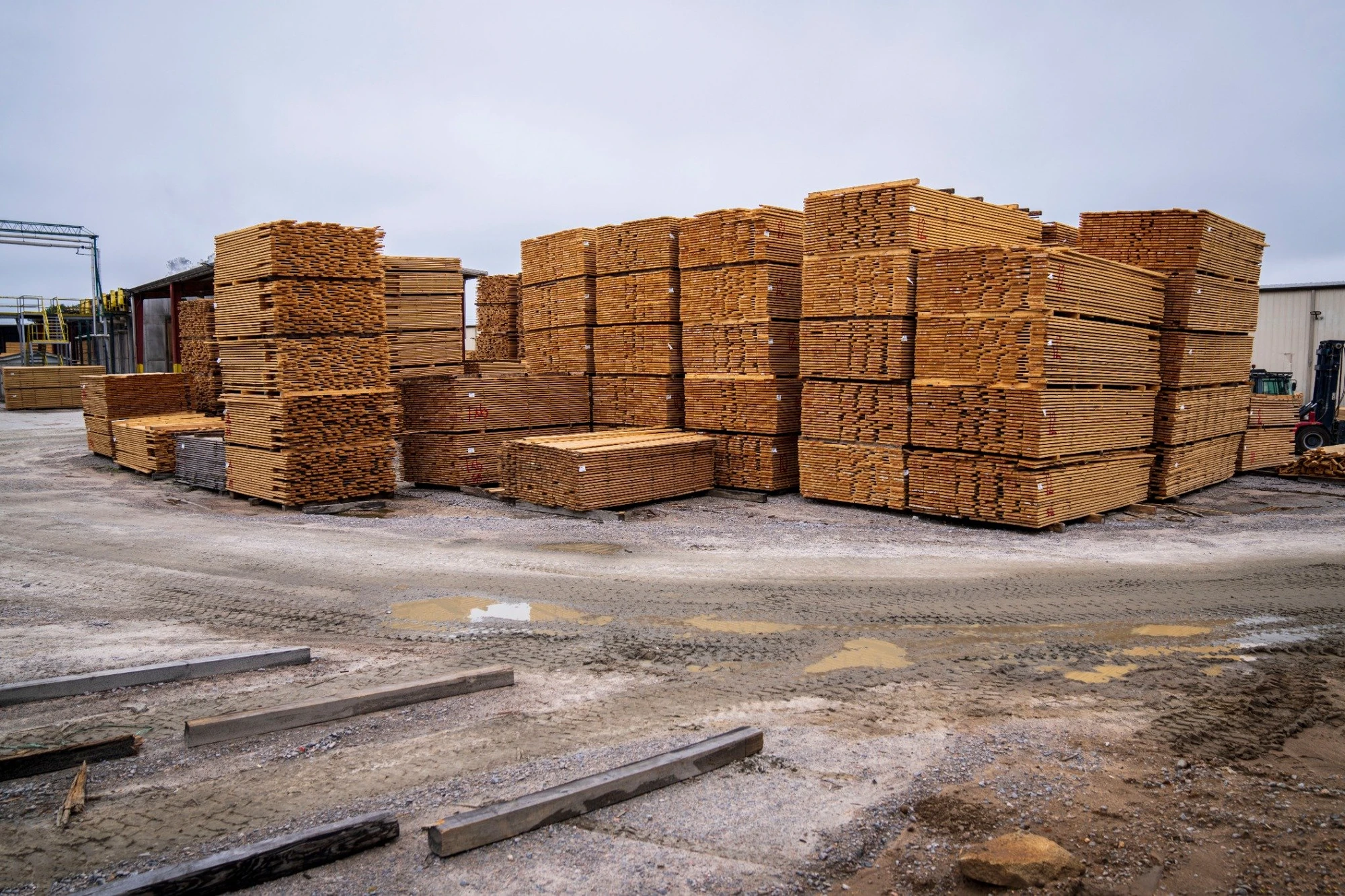
Lumber tariffs by company: the new AD/CVD deposit rates
Each heading below gives the combined antidumping (AD) and countervailing duty (CVD) deposit rate, as a percent of entered value. The earlier figure is the combined rate set by the 2023 reviews, which applied through October 18, 2026.
Both new reviews cover entries made from January 1 to December 31, 2024. For sawn lumber, the 10% Section 232 duty comes on top of every rate below.
Exporters Commerce did not examine: 24.75%, down from 35.16%
More than 200 companies get the non-selected rates of 10.64% for dumping and 14.11% for subsidies. Both lists include Interfor, EACOM, Tolko, J.D. Irving, Western Forest Products and Weyerhaeuser Co.
In April's preliminary results, these rates were 10.66% and 14.17%. After the 2023 reviews, they were 20.53% and 14.63%.
Canfor: 31.11%, down from 47.59%
Canfor's dumping margin is 17.00%, up from 16.85% in April but down from 35.47% after the 2023 review. Commerce did not examine Canfor in the subsidy review, so it gets the 14.11% non-selected rate, up from 12.12%.
Resolute: 25.55%, down from 35.16%
Commerce examined Resolute in both reviews, setting 13.13% for dumping and 12.42% for subsidies. In April, the figures were 13.25% and 11.70%.
After the 2023 reviews, Resolute had the non-selected rates of 20.53% and 14.63%.
West Fraser: 20.02%, down from 26.47%
West Fraser's dumping margin is 4.71% and its subsidy rate is 15.31%, the highest subsidy rate in this review. In April, they were 4.77% and 15.93%, and after the 2023 reviews, 9.65% and 16.82%.
No company rate of its own: 20.23%, unchanged
If neither the producer nor the exporter has its own rate, the all-others rates from the original investigations still apply. Those are 6.04% for dumping and 14.19% for subsidies.
Cash deposit is the estimated AD or CVD you pay at entry. The final amount is set later, when CBP liquidates the entry using a review's results.
What softwood lumber is covered (HTS 4407, 4409.10 and 4418.99.10)
The orders cover softwood lumber, siding, flooring and certain other coniferous wood from Canada. The core product is coniferous wood sawn or chipped lengthwise, sliced or peeled, more than 6 millimeters thick.
Finished products are not covered. The scope names I-joists, assembled pallets, cutting boards, assembled picture frames and garage doors as examples.
Lumber and shaped wood: sawn lumber, including finger-jointed boards, plus siding, flooring and other wood shaped along its edges, ends or faces. Moldings and dowel rods are not included.
Studs and components: drilled and notched lumber, angle cut lumber, lumber stacked on edge and nailed together, and parts of semi-finished or unassembled products.
Excluded: lumber the Atlantic Lumber Board certifies as first produced in Newfoundland and Labrador, Nova Scotia or Prince Edward Island from logs harvested there. U.S.-origin lumber only kiln dried, planed or sanded in Canada is excluded too, and so are certain radius-cut box-spring frame kits and components.
Classification: in January 2026, CBP classified Canadian SPF dimensional lumber for mattress box springs under 4407.13.0000, free of general duty (ruling N357365). The boards were not radius-cut or packed as kits, and CBP noted they may be subject to the AD/CVD orders.
The written scope decides coverage, and the HTS numbers are for convenience only. The 2018 orders list the numbers in use then, and today's HTS puts coniferous sawn wood under 4407.11 to 4407.19. Scope rulings come from Commerce, not CBP.
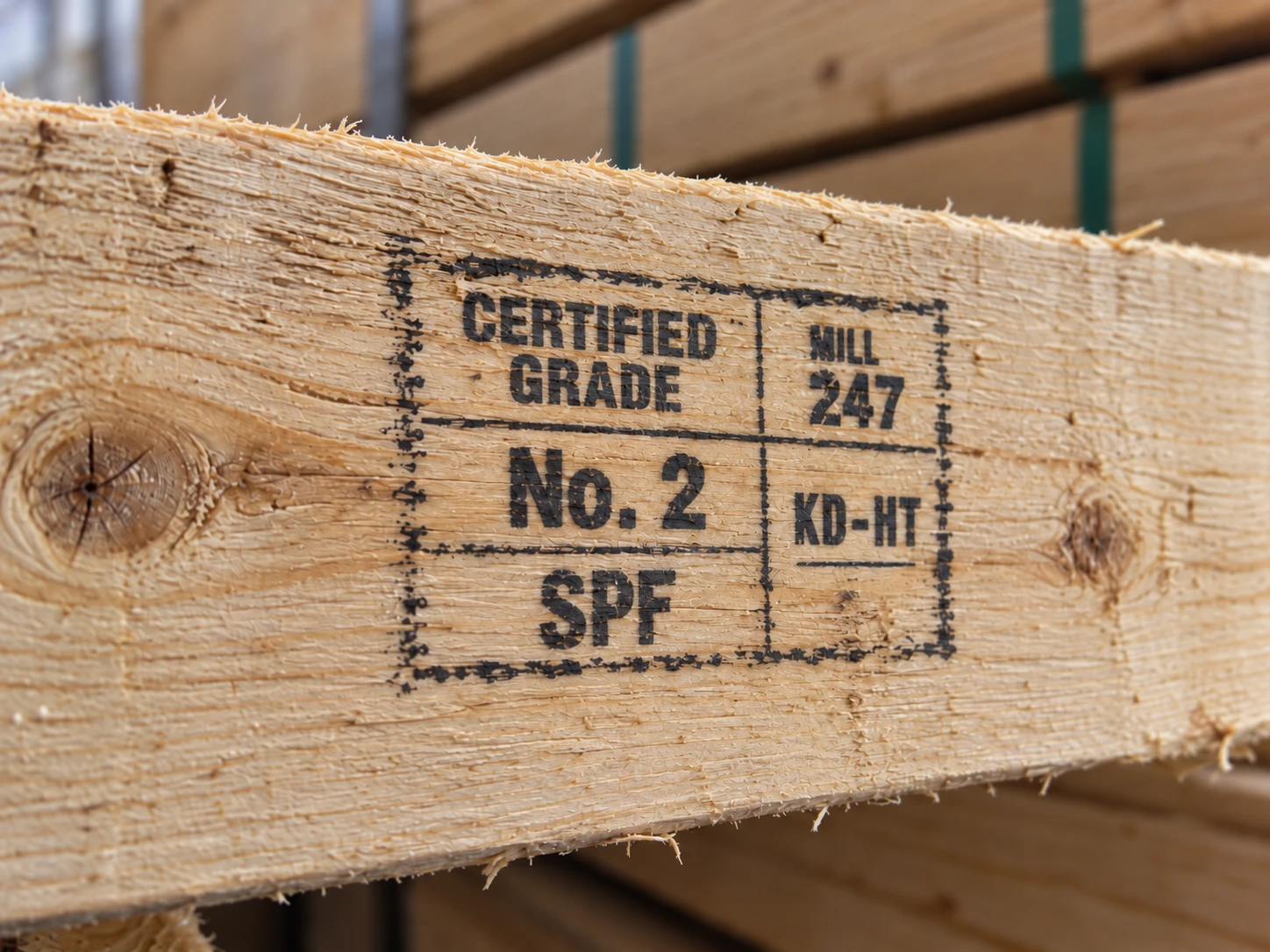
Tariffs on Canada: the 10% Section 232 duty comes on top
Section 232 of the Trade Expansion Act lets the President adjust imports that threaten national security. Since October 14, 2025, it has added a 10% duty on softwood timber and lumber.
Proclamation 10976 set that duty. It says the duty applies on top of any other duties, unless the proclamation provides otherwise.
The HTS note behind heading 9903.76.01 is explicit. AD and CVD still apply in addition, and the 10% is collected even when goods qualify for a free trade agreement rate.
The proclamation sets no separate rate for Canada. Proclamation 11000 pushed furniture, cabinet and vanity increases to January 1, 2027, and left the 10% lumber rate unchanged.
The 10% reaches fewer lines than the AD/CVD orders. The HTS lists 4407.11 to 4407.19 for lumber, but not 4409.10 siding and flooring or 4418.99.10 drilled or notched studs.
The 35% IEEPA duty on Canadian goods no longer applies. Executive Order 14389, signed February 20, 2026, says the IEEPA duties under Executive Order 14193 "shall no longer be in effect."
A newer 10% Section 301 duty on products of Canada, under heading 9903.05.29, has applied since July 24, 2026. It exempts wood products under 9903.76.01, so lumber that pays the Section 232 duty doesn't pay it.
For lines outside the Section 232 duty, such as 4409.10, the 10% Section 301 duty can apply. It doesn't apply to Canadian products entered free of duty under the United States-Mexico-Canada Agreement (USMCA).
Lumber prices and landed cost: a worked example per $10,000
Here is how the new lumber tariffs add up on one entry. Take $10,000 of entered value of Canadian SPF lumber under HTS 4407.13.0000.
The exporter is on both non-selected lists, and the entry is made on or after October 19, 2026.
Base duty: $0, because the HTS general rate for 4407.13.00 is free.
AD deposit at 10.64%: $1,064.
CVD deposit at 14.11%: $1,411.
Section 232 duty at 10%: $1,000, reported under heading 9903.76.01.
Total: $3,475, or 34.75% of entered value. Under the rates set by the 2023 reviews, the same entry needed $4,516.
On the same $10,000, the total is $4,111 for Canfor, $3,555 for Resolute and $3,002 for West Fraser. With no company rate of its own, it is $3,023.
Lumber prices vary, so this part is an illustration only. USDA's September 2026 rule, citing Fastmarkets Random Lengths, put the 2022 to 2024 average framing lumber composite price at $523 per thousand board feet.
If your entered value were $523 per thousand board feet, the non-selected total would be about $182 per thousand board feet. Under the 2023 review rates, it would be about $236.
Importers also pay a USDA checkoff, the Softwood Lumber Board assessment. It is $0.41 per thousand board feet on a nominal count, collected by CBP at entry.
The first 15 million board feet in a fiscal year are exempt, by certificate or refund.
A USDA rule effective October 22, 2026, makes the nominal count explicit. On a net count, the same assessment is $0.62 per thousand board feet.
The example covers duties and deposits only. The checkoff, freight, insurance, customs fees and broker charges come on top.
What comes next: 2024 entries and the softwood lumber dispute
Deposits are estimates. Entries made in 2024 get their final duty at liquidation, based on these results. Any gap from the deposit paid is billed or refunded.
Commerce says it will send assessment instructions to CBP no earlier than 41 days after publication, which falls on November 29, 2026.
Its April notices added a caveat. If a party files a timely summons at the Court of International Trade, CBP holds liquidation. It waits until the deadline to request an injunction passes, within 90 days of publication.
For the three examined AD companies, Commerce calculated importer-specific assessment rates. Entries from companies dropped from a review are assessed at the deposit rate required at entry.
For non-selected companies, the AD rate table shows 10.64%, the weighted average of all three examined companies. The assessment section instead refers to the average of the Canfor and West Fraser rates, so check Commerce's instructions to CBP.
For CVD, CBP assesses 2024 entries at the final rates of 12.42%, 15.31% or 14.11%. Importers must file a certificate on any reimbursement of AD or CVD before liquidation, or Commerce can presume reimbursement and double the antidumping duties.
The wider Canada-United States softwood lumber dispute also runs through binational panels. Under USMCA Article 10.12, a panel reviews a trade remedy decision and issues a binding ruling.
On October 8, 2026, a USMCA panel affirmed in part and remanded in part Commerce's CVD review for 2017 to 2018. On October 5, a NAFTA panel affirmed Commerce's second remand redetermination in the original CVD investigation.
Both decisions concern earlier stages of the case, not the 2024 results. Commerce opened the next reviews, covering 2025 entries, on March 9, 2026.
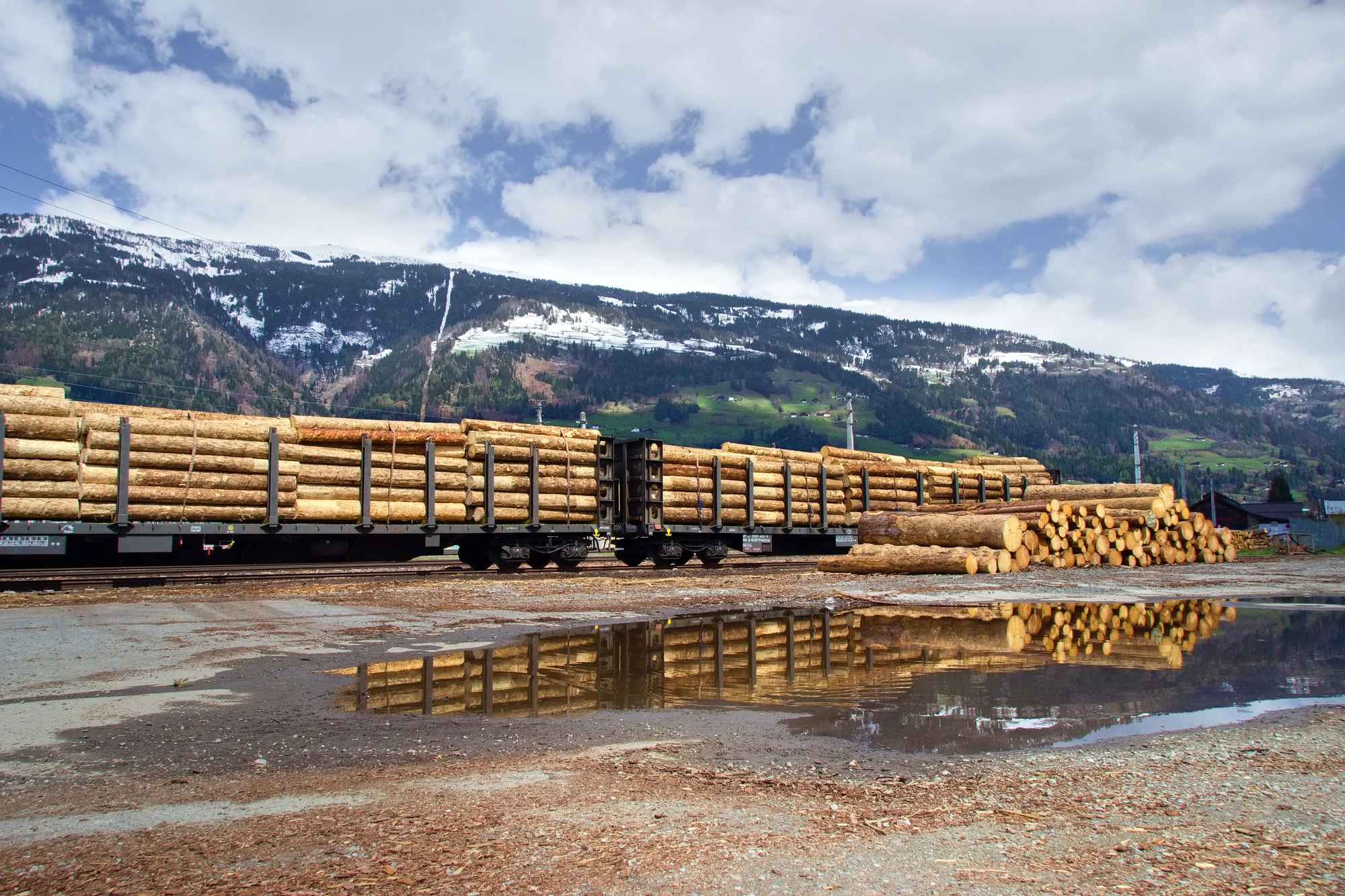
Key dates
January 3, 2018: orders issued. Commerce published the AD and CVD orders on softwood lumber from Canada, with all-others rates of 6.04% and 14.19%.
February 21, 2025: 2024 reviews start. Commerce initiated the AD and CVD reviews of entries made in 2024.
July 29 and August 12, 2025: 2023 review results. The AD results, as amended in September 2025, and the CVD results set the deposit rates in force through October 18, 2026.
October 14, 2025: Section 232 duty starts. A 10% duty on softwood timber and lumber took effect under Proclamation 10976.
February 20, 2026: IEEPA duties end. Executive Order 14389 ended the 35% IEEPA duty on Canadian goods, along with other IEEPA duties.
March 9, 2026: 2025 reviews start. Commerce initiated the next AD and CVD reviews, covering entries made in 2025.
April 14, 2026: preliminary 2024 results. Commerce published preliminary rates and invited comments.
July 24, 2026: Section 301 duty starts. A 10% duty on products of Canada took effect, with wood products under Section 232 exempt.
October 5 and 8, 2026: panel decisions. A NAFTA panel affirmed Commerce's remand results in the original CVD case, and a USMCA panel partly remanded the 2017 to 2018 review.
October 19, 2026: final 2024 results. New AD and CVD deposit rates apply to entries from this date.
October 22, 2026: checkoff rule takes effect. The $0.41 per thousand board feet assessment is set on a nominal count.
November 29, 2026: earliest assessment instructions. Commerce can instruct CBP to liquidate 2024 entries from this date, 41 days after publication.
How to check lumber tariffs on a Canadian shipment
Name the producer and the exporter. Look each one up in the rate tables and Appendix II of both notices, since a company can be on one list only. For CVD, if both have their own rates and they differ, the higher rate applies.
Check the product against the written scope. Confirm the wood is coniferous and not a finished product. Then look for an exclusion, such as Atlantic Lumber Board certification.
Confirm the HTS line and the Chapter 99 heading. Lumber under 4407.11 to 4407.19 also takes the 10% under 9903.76.01. Siding, flooring and studs under 4409.10 and 4418.99.10 don't, but can owe the 10% Section 301 duty unless entered duty free under USMCA.
Re-run landed cost for entries from October 19, 2026. For a non-selected exporter, budget $3,475 per $10,000 of entered value in duties and deposits. Under the 2023 review rates, it was $4,516.
Prepare for 2024 liquidations. File the reimbursement certificate before liquidation. Bills or refunds follow Commerce's instructions, which it plans to send no earlier than November 29, 2026.
Track board feet for the checkoff. From October 22, 2026, report softwood lumber volume on a nominal count. If you import less than 15 million board feet a fiscal year, apply in advance for a Softwood Lumber Board exemption certificate.
Frequently asked questions
What is softwood lumber?
In these cases, it means coniferous wood, such as spruce, pine and fir, sawn or chipped lengthwise, sliced or peeled, over 6 millimeters thick. The scope also covers siding, flooring, drilled and notched lumber, and certain components.
What is a countervailing duty?
A countervailing duty offsets subsidies a foreign government gives its producers. Commerce measures the subsidy rate, as it did here for 2024. Many of the 78 issues in its subsidy memo concern stumpage, the fees for standing timber, in Alberta, British Columbia, Ontario and Quebec.
How much do lumber tariffs add per 1,000 board feet?
It depends on your price. At an illustrative $523 per thousand board feet, lumber from a non-selected exporter carries about $182 in AD, CVD and Section 232 duty. The checkoff adds $0.41 per thousand board feet above the exemption.
Are there still tariffs on Canada for lumber?
Yes. Canadian softwood lumber pays AD and CVD deposits plus the 10% Section 232 duty. The 35% IEEPA duty ended in February 2026, and the 10% Section 301 duty on Canadian goods exempts lumber under Section 232.
Do the new rates change what I owe on 2024 entries?
Yes, if your producer or exporter was in the review. CBP liquidates those entries using the final results, and any gap from your deposit is billed or refunded. Commerce plans to send instructions no earlier than November 29, 2026.