Trade news
Indefinite Suspension of the De Minimis Exemption for Mail Shipments and New Postal Informal Entry Process; Delayed Compliance Extension
CBP moved a de minimis mail deadline on October 22, 2026: formal entry for certain postal shipments is now required from January 20, 2027. The delay covers mail subject to partner agency rules, Chapter 98 or 99 duties, or a free trade agreement claim.

De minimis for mail: the key dates and numbers
The $800 de minimis exemption no longer applies to mail. These numbers decide how a postal shipment is entered now.
January 20, 2027: the new compliance date
From that date, mail needs formal entry if it is subject to partner government agency (PGA) rules or Chapter 98 or 99 duties. The same applies to mail claiming Chapter 98 or free trade agreement treatment.
The earlier date was October 22, 2026. Filers can use CBP's Entry Type 13 test instead of formal entry.
$2,500: the informal entry ceiling
Mail valued at $2,500 or less can use the postal informal entry process if it qualifies. Anything above $2,500 needs formal entry.
The 7th of the next month: data and payment due
Under the interim process, the filer emails CBP a spreadsheet of entry data and pays through Pay.gov. Both are due by the 7th of the month after arrival, so a package arriving April 15 is due May 7.
12 data elements for Entry Type 13
An Entry Type 13 filing in ACE lists 12 data elements. They include every 10-digit HTS number, the value, the duty owed and the foreign post's tracking number.
July 1, 2027: de minimis ends by law
The One Big Beautiful Bill Act ends the de minimis exemption on that date. CBP's regulatory suspension for mail has applied since June 24, 2026.
Formal entry is the standard customs entry under 19 CFR part 142. It generally applies to shipments over $2,500 and to lower-value goods that don't qualify for informal entry.
Which mail shipments need formal entry
The delay covers two categories in 19 CFR 145.12(a)(2)(v) and (vi). Other mail already needs formal entry.
Delayed to January 20, 2027: mail subject to PGA requirements, and goods owing Chapter 98 or 99 duties, such as Section 232, 201 or 301 duties.
Also delayed: goods claiming duty-free treatment under Chapter 98 or a free trade agreement.
Formal entry already required: shipments over $2,500, quota goods, goods under antidumping or countervailing duty orders, and alcohol and tobacco products.
Still exempt: bona fide gifts valued at $100 or less ($200 from certain island possessions) keep their separate exemption.
CBP can also require formal entry for any mail shipment, whatever its value, when needed to protect the revenue.
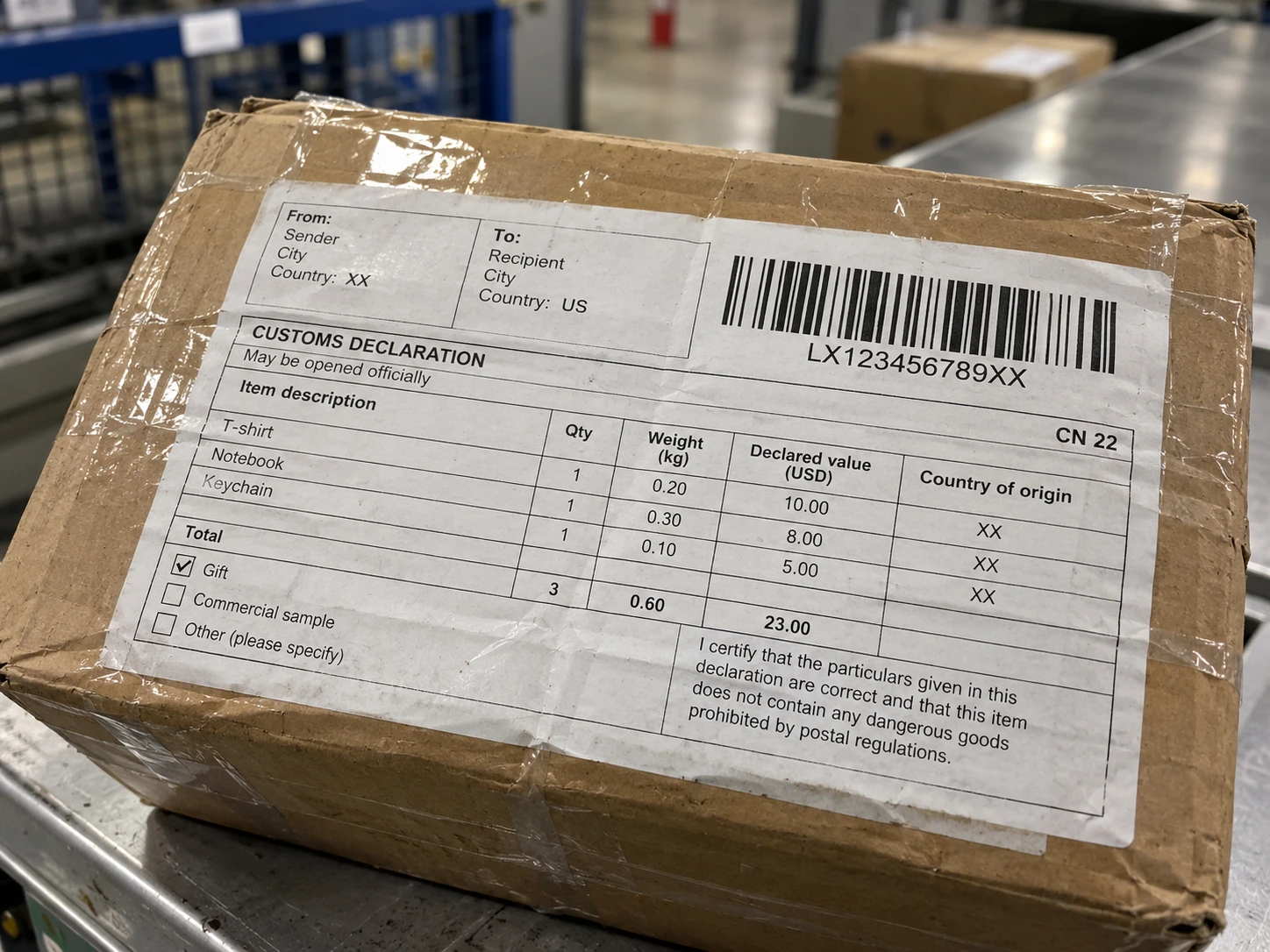
How informal entry for mail works until then
Until January 20, 2027, those delayed categories can still use the postal informal entry process. It took effect on July 24, 2026, for mail valued at $2,500 or less.
Only an owner or purchaser, or a licensed customs broker they or the consignee appoint, can file. A basic importation and entry bond, single transaction or continuous, is required before release.
The filer emails CBP a spreadsheet with 14 data elements, including the bond number, 10-digit HTS numbers, value, duty owed and arrival date.
CBP officers no longer prepare mail entries, and duties aren't collected on delivery. Duty is assessed at the rates in effect when the entry is properly transmitted.
Entry Type 13: the electronic alternative to formal entry
CBP's Entry Type 13 test began September 22, 2026, and runs until CBP ends it in a Federal Register notice. Filers transmit the entry in ACE, with no separate application.
The test opens an informal path for mail with PGA rules or Chapter 98 and 99 duties. Antidumping, countervailing duty and quota goods still need formal entry.
The October 22 change lets filers send Entry Type 13 without complete electronic PGA data, for now. CBP will announce the end of that allowance in a later notice.
Consignees that aren't owners or purchasers, such as USPS, foreign posts, forwarders and carriers, must use a licensed broker as importer of record. That broker's bond then covers the entry.
What comes next: the low-value shipments proposal
CBP's October 8, 2026 proposal would make Entry Type 13 the required electronic entry for qualifying mail of $2,500 or less. It would replace the spreadsheet process.
It would also require a bond for every type 11 and type 13 entry. Mail not entered within 15 days of importation would be deemed abandoned.
Comments are due December 7, 2026, under docket USCBP-2026-0298. None of it is final yet.

Key dates
June 24, 2026: suspension in the regulations. CBP suspended de minimis for mail indefinitely and announced the Entry Type 13 test.
September 22, 2026: Entry Type 13 test begins. Filers can enter qualifying mail electronically in ACE.
October 22, 2026: deadline moved. CBP set the new compliance date and relaxed PGA data for Entry Type 13.
December 7, 2026: comments due. This is the deadline for the low-value shipments proposal.
January 20, 2027: new compliance date. Mail with PGA rules, Chapter 98 or 99 duties, or trade agreement claims needs formal entry or Entry Type 13.
July 1, 2027: de minimis ends by law. The One Big Beautiful Bill Act terminates the exemption.
How to prepare your de minimis mail shipments
Sort your mail shipments by category. Flag anything with PGA rules, Chapter 98 or 99 duties, or a trade agreement claim. Those need formal entry or Entry Type 13 from January 20, 2027.
Check antidumping and quota goods now. They already need formal entry, and the delay doesn't cover them.
Put a bond in place. Postal informal entries and Entry Type 13 filings both need a basic importation and entry bond.
Decide who files. An owner or purchaser can file, or a licensed broker. USPS, foreign posts, forwarders and carriers need a broker as importer of record.
Try Entry Type 13 before the deadline. Collect 10-digit HTS numbers, Chapter 99 numbers, values and foreign post tracking numbers. You can start without full PGA data.
Meet the 7th-of-the-month deadline. For interim informal entries, email the spreadsheet and pay through Pay.gov by the 7th of the month after arrival.
Frequently asked questions
Is the de minimis exemption still in effect for mail?
No. CBP suspended the $800 exemption for mail indefinitely on June 24, 2026, and the One Big Beautiful Bill Act ends it on July 1, 2027. Bona fide gifts of $100 or less keep a separate exemption.
What changed on October 22, 2026?
CBP moved the formal entry deadline for mail with PGA rules, Chapter 98 or 99 duties, or trade agreement claims to January 20, 2027. It also let Entry Type 13 filers send entries without complete electronic PGA data for now.
What is a customs bond?
A customs bond guarantees payment of duties, taxes and fees and compliance with CBP rules. It is secured by an approved surety or a cash deposit, and postal informal entries need one.
Does USPS collect customs duty on my package?
Not for postal informal entries. CBP officers no longer prepare these entries, and duties aren't collected on delivery. The filer pays CBP through Pay.gov.