Trade news
Addressing Remote Access to Advanced Semiconductors
New chip export controls from the Bureau of Industry and Security (BIS) took effect November 19, 2026, covering advanced AI chips used in overseas data centers. Data centers that rent large amounts of computing to companies headquartered in China, Macau or other Country Group D:5 countries now need a license. Comments are due January 19, 2027.
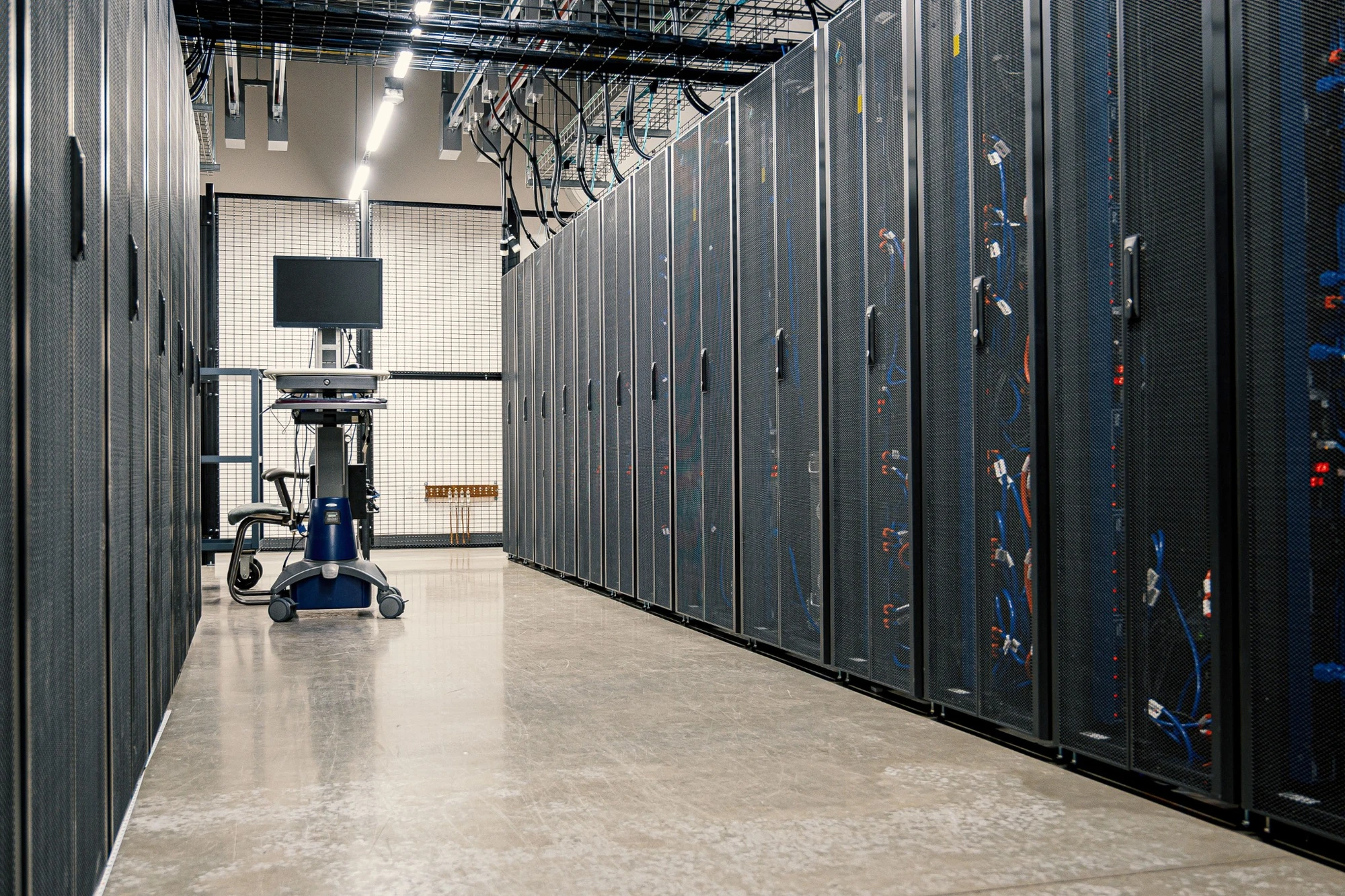
Chip export controls: the key numbers
The rule is an interim final rule, so it applies now while BIS takes comments. These are the figures that decide who needs a license.
12 million TPP: the data center threshold
A license is needed when advanced chips go to a data center anywhere that gives more than 12,000,000 "aggregate TPP" to a covered company. TPP is total processing performance, and linked data centers count as one.
5 countries: a new license requirement
Advanced AI chips now need a license to go to Indonesia, Malaysia, Singapore, Thailand and Brazil. BIS says these countries carry a higher than normal risk of diversion.
90 days: for data centers already serving covered companies
Data centers that served companies headquartered in D:5 countries or Macau before the rule must get a license within 90 days to keep doing so. That is about February 17, 2027 (estimate).
December 21, 2026: last day for shipments already en route
Shipments that were on their way to the port on November 19 can go ahead under the old rules. The export must be completed by December 21, 2026.
Country Group D:5: a list of countries in the Export Administration Regulations (EAR) that the rule names as including China. Macau is covered separately.
Which AI chips and data centers are covered
The rule covers advanced computing chips and equipment under Export Control Classification Numbers (ECCNs) 3A090 and 4A090, as well as related items classified under other ECCNs. Export controls rely on ECCNs rather than HTS numbers to determine coverage.
Data centers anywhere: the 12 million TPP rule applies worldwide, including when a non-D:5 customer trains AI models for a D:5 company.
Ownership counts: coverage depends on where a company or its ultimate parent is headquartered, so data centers must check who owns their customers.
Changes in use: if a data center starts serving a covered company later, that change counts as a transfer and needs a license.
Recommender systems excluded: computing used only to rank or suggest products, services or content, such as on retail or social media sites, is out.
US-headquartered buyers excluded: chips going to the 5 new countries need no license if the buyer or its ultimate parent is headquartered in the US, but monthly reports are required.
The rule uses "Super Intelligence (SI)" where earlier rules said "artificial intelligence," following Executive Order 14434.
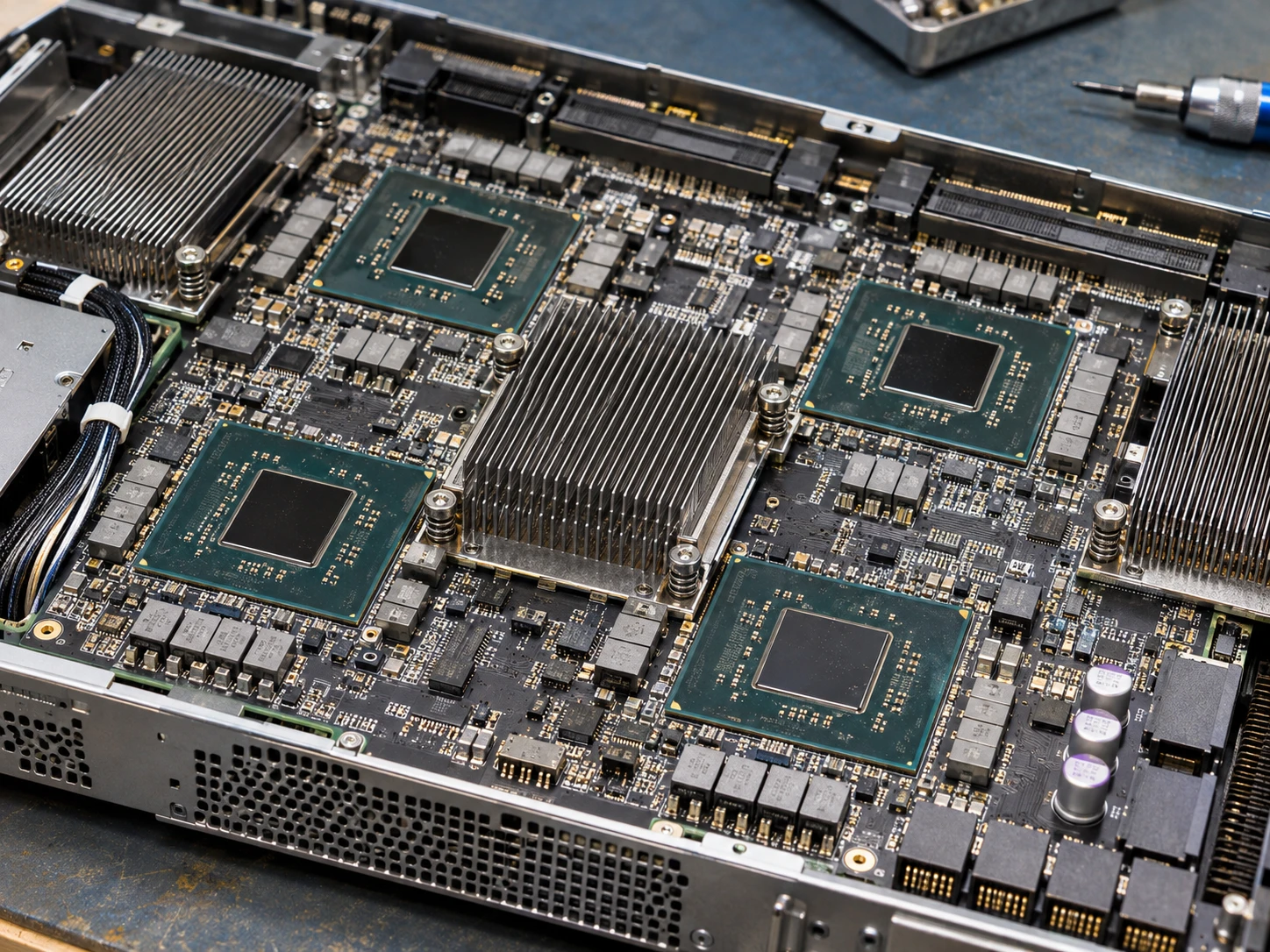
Why the AI chip export rules matter now
BIS already required a license for advanced chips going to companies headquartered in D:5 countries or Macau. This rule closes a gap: renting the same computing power remotely through overseas data centers.
The rule also formally rescinds the Biden-era AI Diffusion Rule of January 15, 2025, which BIS says was never enforced. Its country tiers, License Exception AIA, the Data Center Validated End-User authorization and controls on AI model weights are gone.
Chip factories and packagers also face tighter rules. Chip designers in D:1, D:4 or D:5 countries, or in the 5 new countries, can no longer use the old steps to show a chip isn't an advanced one.
What comes next for chip export controls
BIS takes comments on the rule until January 19, 2027, and could change it after that.
BIS says it will watch for countries that tolerate evasion. Possible consequences include import restrictions, new license requirements, a lower export control status and Entity List designations.
Key dates
January 15, 2025: AI Diffusion Rule published. It was never enforced, and BIS announced its rescission in May 2025.
July 14, 2026: UAE rule. BIS gave the United Arab Emirates more favorable treatment under the export rules.
November 19, 2026: Rule takes effect. The data center control and the 5 country license requirement start.
December 21, 2026: Grace period ends. Shipments en route on November 19 must be completed by this date.
January 19, 2027: Comments due. Submit comments through the Federal Register.
About February 17, 2027 (estimate): 90 day deadline. Data centers already serving covered companies need a license to continue.
How to check if the chip export controls apply to you
Classify your items. Check whether your chips or servers fall under ECCN 3A090 or 4A090, or a related .z item.
Check the destination. Shipments to Indonesia, Malaysia, Singapore, Thailand or Brazil now need a license unless an exclusion applies.
Screen your customers' owners. Find where each customer and its ultimate parent are headquartered, not just where they ship to.
Ask about data center use. Find out if the items will go into a data center that serves D:5 or Macau companies above 12 million TPP.
File monthly reports. If you use the US headquarters exclusion, report each shipment to BIS by the first business day of the next month.
Pass on the notice. For license-free exports, tell the recipient that a later change in use needs BIS approval.
Frequently asked questions
What are the new chip export controls?
They require a license when advanced AI chips go to data centers that rent large amounts of computing to companies headquartered in China, Macau or other D:5 countries. They also add a license requirement for 5 countries.
Which countries need a license for AI chips now?
Indonesia, Malaysia, Singapore, Thailand and Brazil were added on November 19, 2026. A license is also required for D:1, D:4 and D:5 countries, with some exceptions.
Was the AI Diffusion Rule rescinded?
Yes. This rule formally rescinds it, including its country tiers and its controls on AI model weights.
What is total processing performance (TPP)?
It is a measure of a chip's computing power set out in ECCN 3A090. The new rule adds "aggregate TPP," the combined TPP of a group of chips.
This article is informational and is not legal or export compliance advice.