Trade insights
CBP's New Low-Value Shipment Rule After De Minimis: Bonds, Mail Entries and Foreign Importer Limits
On October 8, 2026, CBP proposed stricter rules for the low-value shipments that lost the de minimis exemption and now clear through informal entry. Every informal entry of $2,500 or less would need a customs bond and would have to be filed by the day of arrival, with a $1,000 minimum claim for bond breaches.
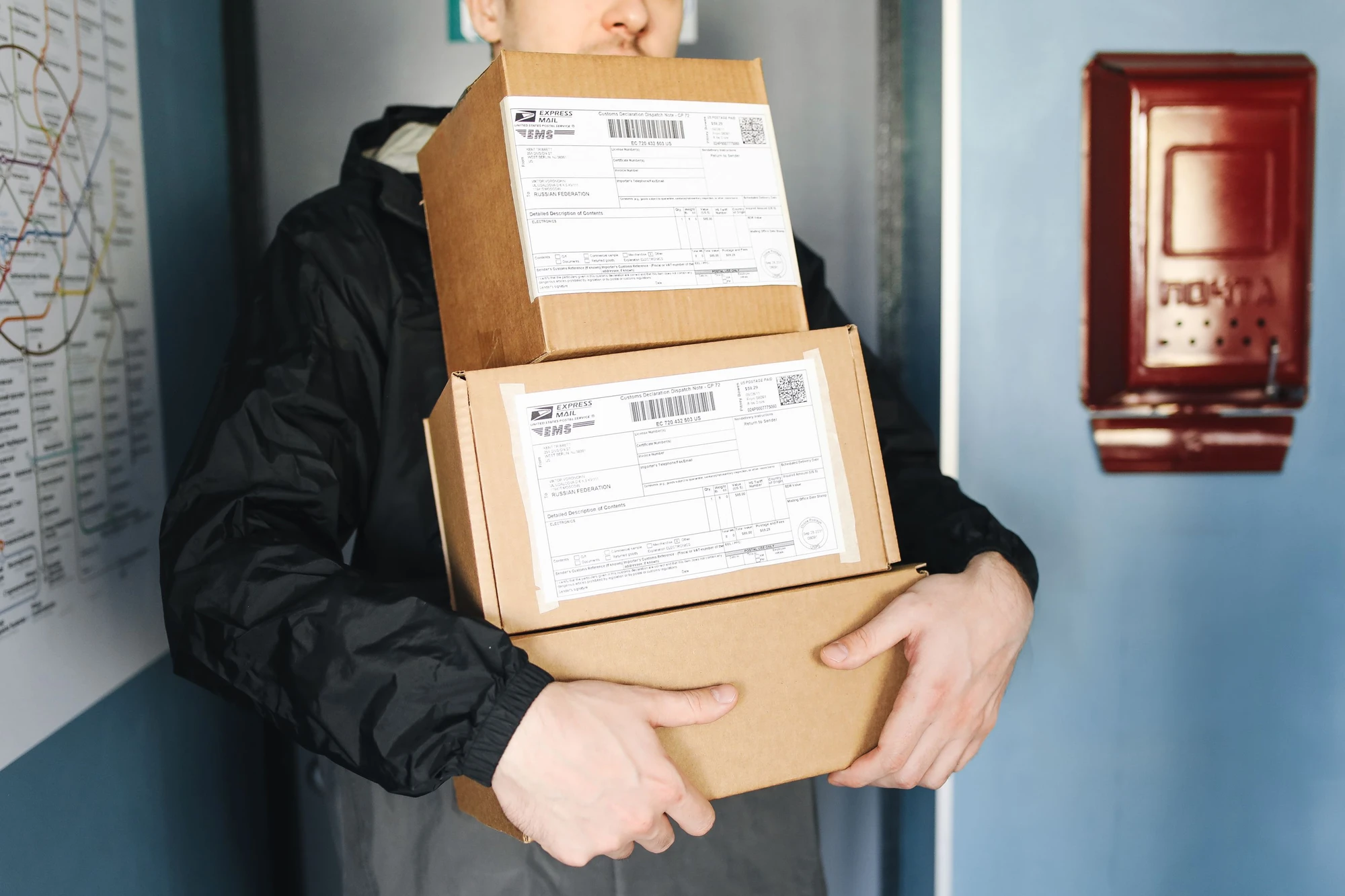
Comments on the low-value shipments proposal are due December 7, 2026. Nothing changes yet. This is a proposed rule (docket USCBP-2026-0298), and CBP's cost analysis assumes it would take effect in 2027.
Three numbers in CBP's rule for shipments after de minimis
These are the changes with the biggest cost effect for importers who used to ship duty free under $800. All three would apply to informal entry types 11 and 13.
$2,500: a bond for every informal entry
Every type 11 and type 13 entry valued at $2,500 or less would need a basic importation and entry bond. About 2.3 million type 11 entries were filed without one from August 2025 to July 2026.
$1,000: minimum liquidated damages
A bond breach on an informal entry would cost the merchandise value or $1,000, whichever is greater. For restricted or prohibited goods and alcohol, it is three times the value or $1,000.
15 days: unentered mail is abandoned
Mail shipments not properly entered within 15 days of importation would be deemed voluntarily abandoned. USPS could then destroy them or return them to the sender.
Liquidated damages are the amounts a bond holder agrees to pay if it breaks a bond condition, such as failing to redeliver goods to CBP.
What changes for informal entry type 11 and the new mail entry type 13
The proposal covers shipments valued at $2,500 or less, the ceiling for informal entry. That is where most formerly duty-free parcels now go.
From September 1, 2025 to May 31, 2026, CBP counted 52,450,418 type 11 entries and 24,427,685 postal entries.
File on or before arrival: type 11 entries would have to be filed electronically upon or before the date of importation, instead of within 15 days. In a CBP sample, 26.6% were filed on the day of arrival and 25.0% the day after.
Name the final deliver-to party: type 11 entries would add the name and address of the final recipient when it differs from the ultimate consignee.
New entry type 13 for mail: mail shipments would be entered electronically in ACE as type 13, replacing the monthly international mail duty worksheet. Filers add the shipper or sender and the UPU S10 tracking number, and carriers report the same number on the manifest.
A broker as importer of record: a consignee that is not the owner or purchaser, such as a freight forwarder, carrier, USPS or a foreign postal operator, would have to appoint a licensed customs broker to act as importer of record. The broker's bond would then be on the line.
Blanket formal entry orders: CBP could require formal entry for a specific importer of record, manufacturer, seller or product category, not only shipment by shipment.
One change eases the rules. Goods under Chapter 99, Subchapters III and IV, such as Section 232 goods, could use informal entry up to $2,500 instead of $250.
Why the end of the de minimis exemption led to this rule
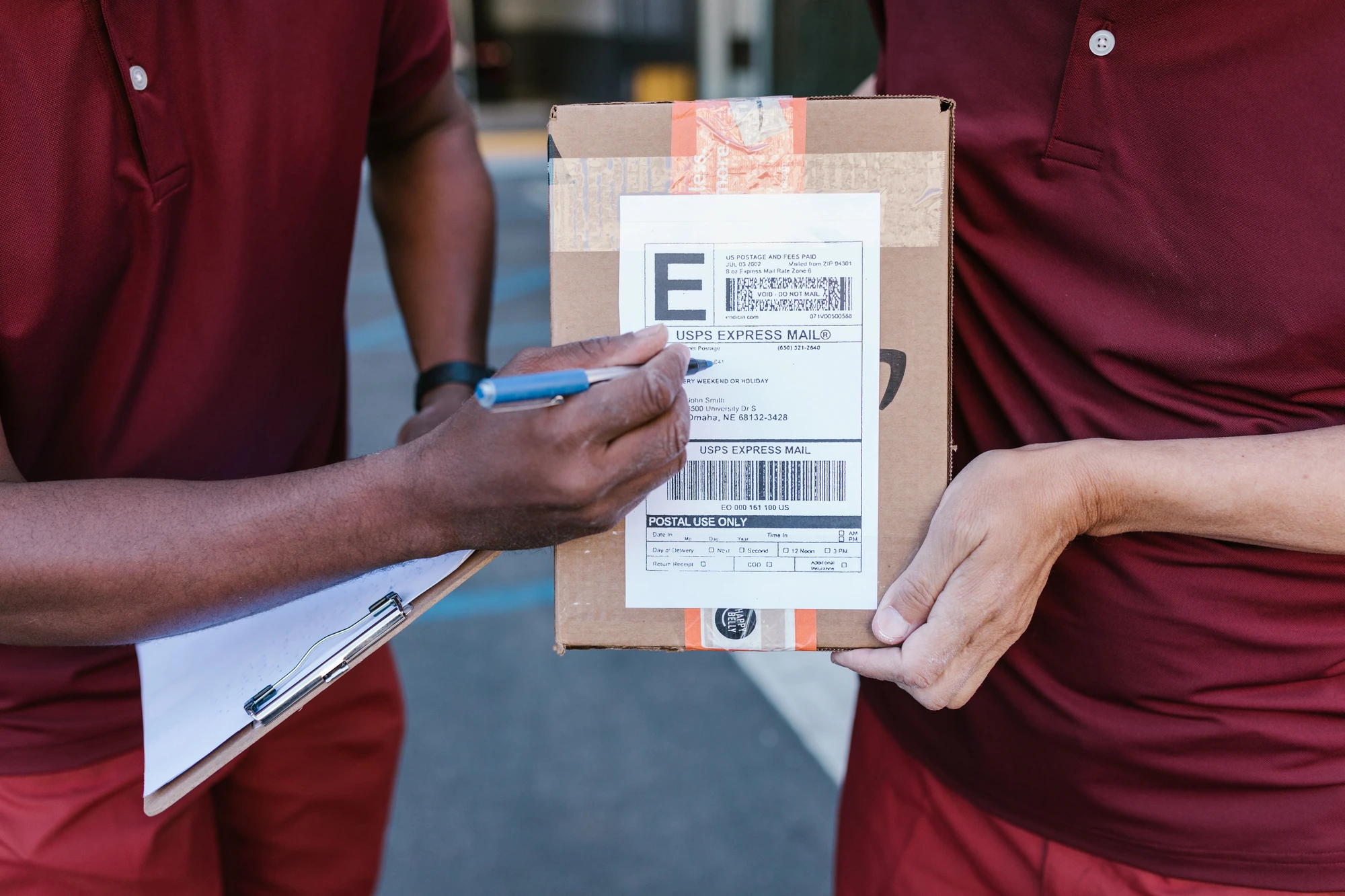
The $800 de minimis exemption has been suspended for imports from all countries since August 29, 2025. CBP wrote the suspension into its regulations on June 24, 2026, and the One Big Beautiful Bill Act ends it by law on July 1, 2027.
Shipments that once entered duty free moved into informal entry. CBP says the current 15-day filing window gives it no time to screen large volumes of risky parcels before they arrive.
Mail is the weak spot, in CBP's view. In fiscal 2024, postal de minimis shipments had 277.8 narcotics seizures per million, compared with 15.8 for type 11 and 2.6 for formal entries.
CBP also found that only 67% of postal shipments from September 2025 to May 2026 went through any entry process. It says the other 33% were likely shipped without paying duties.
The cost is large. CBP puts the rule's net cost from 2026 to 2035 at about $9.3 billion at a 3% discount rate, and assumes broker fees of about $30 per mail entry.
Foreign importer limits under Executive Order 14411
The foreign importer limits come from Executive Order 14411, signed June 3, 2026, not from the October 8 proposal. The order tells DHS to bar foreign importers of record from filing informal entry.
For formal entry, a foreign importer of record could not rely on a continuous bond unless CBP allows it. It would also have to be CTPAT validated or use a CTPAT validated, licensed customs broker.
A U.S. importer of record is a U.S. citizen or permanent resident, or a company organized and located in the United States whose controlling owners are citizens or permanent residents. A company that owns a significant amount of U.S. real property can also qualify.
To count as located in the United States, a company needs its principal place of business here, a physical presence with significant business activity, and enough tangible U.S. assets. The order aims to stop shell companies set up only to qualify.
The October 8 proposal does not include the foreign importer ban. The order tells DHS to act promptly on it, so watch for a separate rule or guidance.
The order also gives DHS 180 days, until about November 30, 2026, to put these importer rules in place:
Minimum U.S. assets, bonding or both for every importer of record, and higher minimum bond coverage.
A designated importer of record and a bond or assets for all formal and informal entries.
New disclosures, including beneficial ownership, business affiliations, expected import volumes and domestic assets.
A good standing test. Importers that are not in good standing could not import.
What comes next for low-value shipments
Comments are due December 7, 2026, on regulations.gov under docket USCBP-2026-0298. CBP specifically asks for data on the cost of the earlier filing deadline and of returning unentered mail.
CBP's cost analysis assumes the final rule would take effect in 2027. No effective date has been set.
Mail filers can practice now. CBP's voluntary Entry Type 13 test began on September 22, 2026, and runs until CBP ends it in a Federal Register notice.
Under the June 24 mail rule, the compliance date for certain mail shipments is October 22, 2026. Shipments that need partner agency data, owe Chapter 98 or 99 duties, or claim a trade agreement then need formal entry or the type 13 test.
Key dates
August 29, 2025: de minimis suspended. Duty-free de minimis treatment ended for imports from all countries under Executive Order 14324.
June 3, 2026: Executive Order 14411. The order directed CBP to bar foreign importers of record from informal entry and to tighten bonds.
October 8, 2026: proposal published. CBP proposed bonds for all informal entries, filing by arrival and a new mail entry type 13.
December 7, 2026: comments due. Last day to comment on the proposal under docket USCBP-2026-0298.
July 1, 2027: de minimis ends by law. The One Big Beautiful Bill Act terminates the exemption on this date.
How to prepare low-value imports for the rules after de minimis
Price a customs bond now. If you file type 11 entries without a bond, compare a continuous bond (at least $50,000) with single transaction bonds. CBP found an average premium of $441.52 for a $50,000 continuous bond and about $4.92 per $1,000 for single transaction bonds, with a minimum near $54.
Move entry data before arrival. Get classification, value and recipient data from suppliers before goods ship. Add the final deliver-to party when it differs from the ultimate consignee.
Plan your mail entries. Decide whether to join the Entry Type 13 test or use formal entry. Collect the sender details and UPU S10 tracking number for every parcel.
Confirm who is importer of record. Forwarders, carriers and platforms that are not owners or purchasers would need a licensed broker as importer of record. Foreign sellers should check the order's definition of a U.S. importer of record.
Check your CBP Form 5106 data. Since September 18, 2026, CBP can void importer numbers with inaccurate Form 5106 information. Review your name, address and other identifiers now.
Comment by December 7, 2026. Submit comments under docket USCBP-2026-0298 at regulations.gov. CBP asked for cost data on earlier filing and returned mail.
To see how a bond or broker fee changes your cost per shipment, use the landed cost calculator.
Frequently asked questions
Is the de minimis exemption still in effect?
No. Duty-free de minimis treatment has been suspended for all countries since August 29, 2025, and CBP made the suspension indefinite in its regulations on June 24, 2026. The One Big Beautiful Bill Act ends the $800 exemption by law on July 1, 2027.
What is an informal entry?
An informal entry is the simpler customs entry for shipments valued at $2,500 or less. The general informal entry is type 11, and the proposal would add type 13 for mail. CBP can still require formal entry when it sees a need.
What is a customs bond, and will I need one for informal entry?
A customs bond guarantees that you will pay duties, taxes and fees and follow CBP rules. It is backed by a surety company or a cash deposit. Under the proposal, every type 11 and type 13 entry would need a basic importation and entry bond, either continuous or single transaction.
When will CBP's low-value shipments rule take effect?
It is not final. Comments are due December 7, 2026, and CBP's cost analysis assumes the rule would take effect in 2027. CBP must review comments and publish a final rule first.
Can a foreign company be the importer of record for low-value shipments?
For now, yes, but that may change. Executive Order 14411 directs CBP to bar foreign importers of record from informal entry and to add bond and CTPAT conditions for their formal entries. The October 8 proposal does not include that ban.
What happens to mail packages that are not entered in time?
Under the proposal, a mail shipment of $2,500 or less that is not properly entered within 15 days of importation would be deemed voluntarily abandoned. USPS would then handle it, which may mean destruction or return to the sender.